Xanadu
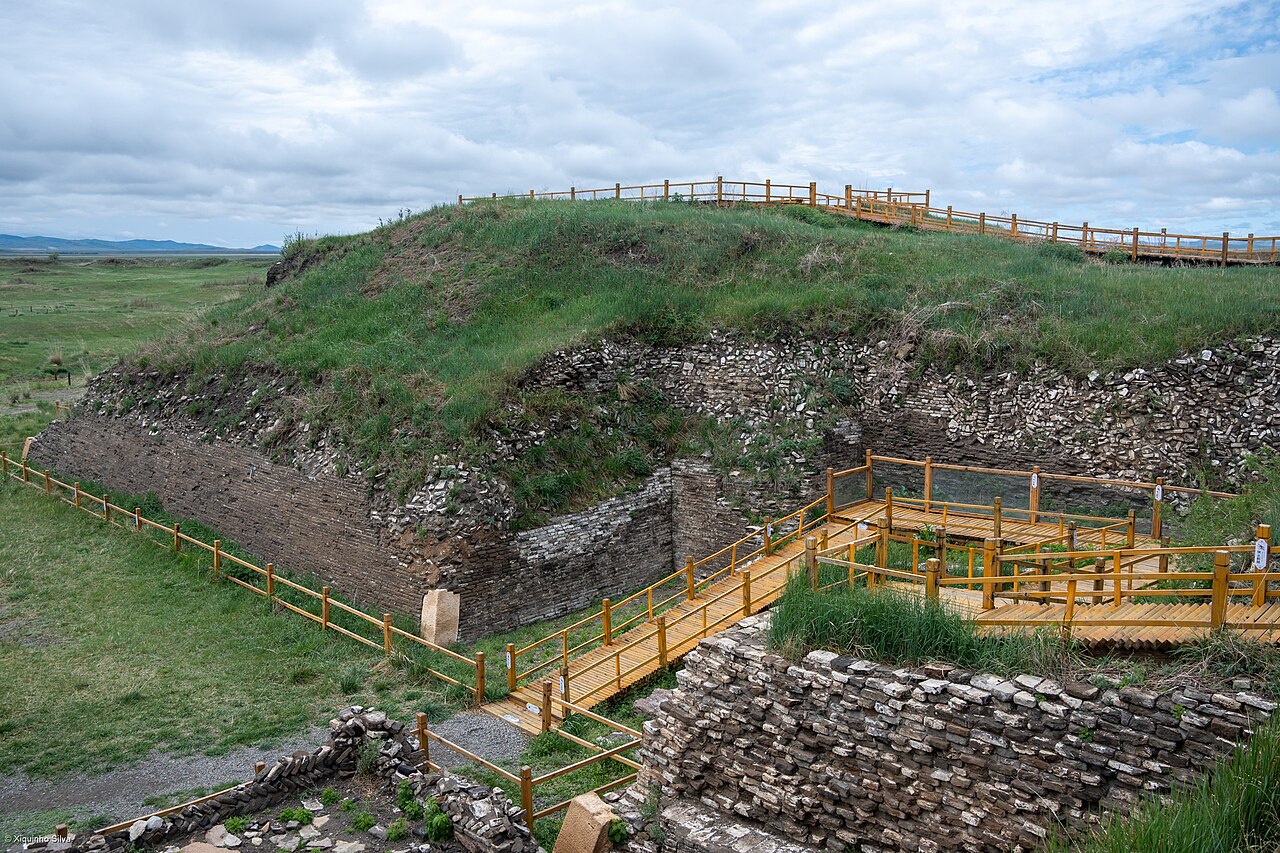
Xanadu is a legendary place from Zhenglan Banner, Inner Mongolia, China, dated to ~1252 AD (Middle Ages). It connects to 2 other myths and legends in the Mythosjourney atlas.
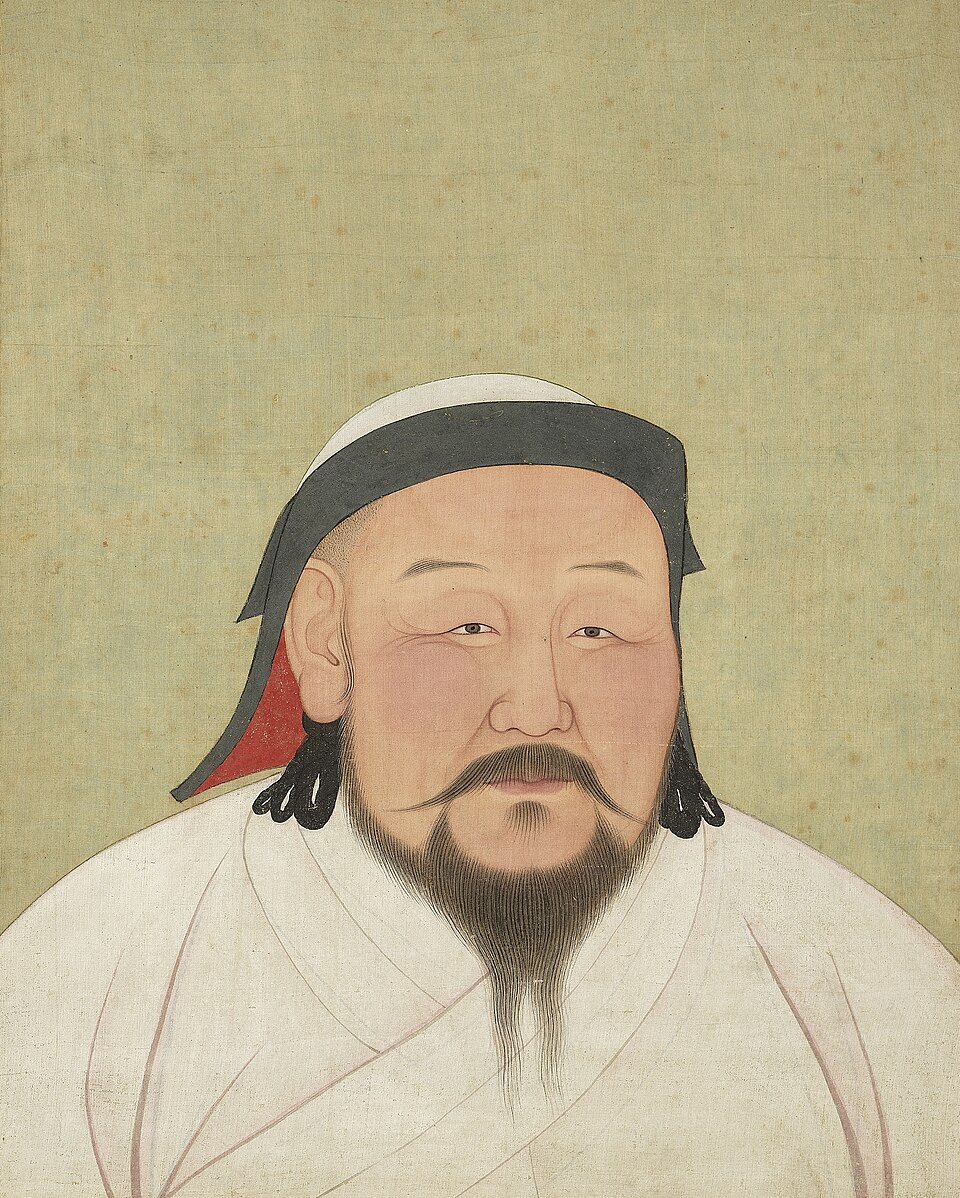
Shangdu (Chinese: 上都; "Upper Capital"), immortalized in Western literature as Xanadu, was the historic summer capital of the Yuan dynasty and a primary symbol of the Mongol Empire’s cultural and political synthesis. Established between 1252 and 1256 in what is now Zhenglan Banner, Inner Mongolia, the city was designed by the architect and advisor Liu Bingzhong to serve as a seasonal retreat for Kublai Khan. The site is characterized by its unique "dual-capital" system, blending the traditional urban planning of Chinese Confucianism with the expansive, nomadic steppe traditions of the Mongols.The city was meticulously organized into a triple-layered structure consisting of an Outer City, an Inner City, and a central Imperial Palace.
This design reflected the cosmopolitan nature of the Yuan court, housing a population of over 100,000 people and featuring administrative quarters, temples, and vast hunting grounds. The palace itself, which covered approximately 40% of the area of the later Forbidden City in Beijing, was noted for its marble halls, gilded interiors, and sophisticated lacquer work. A hallmark of the city’s nomadic heritage was the "cane palace"—a portable, sumptuously decorated pavilion made of bamboo that could be dismantled and moved according to the Emperor’s commands.Shangdu transitioned from a physical capital to a global legend primarily through the accounts of the Venetian explorer Marco Polo, who visited the court around 1275.
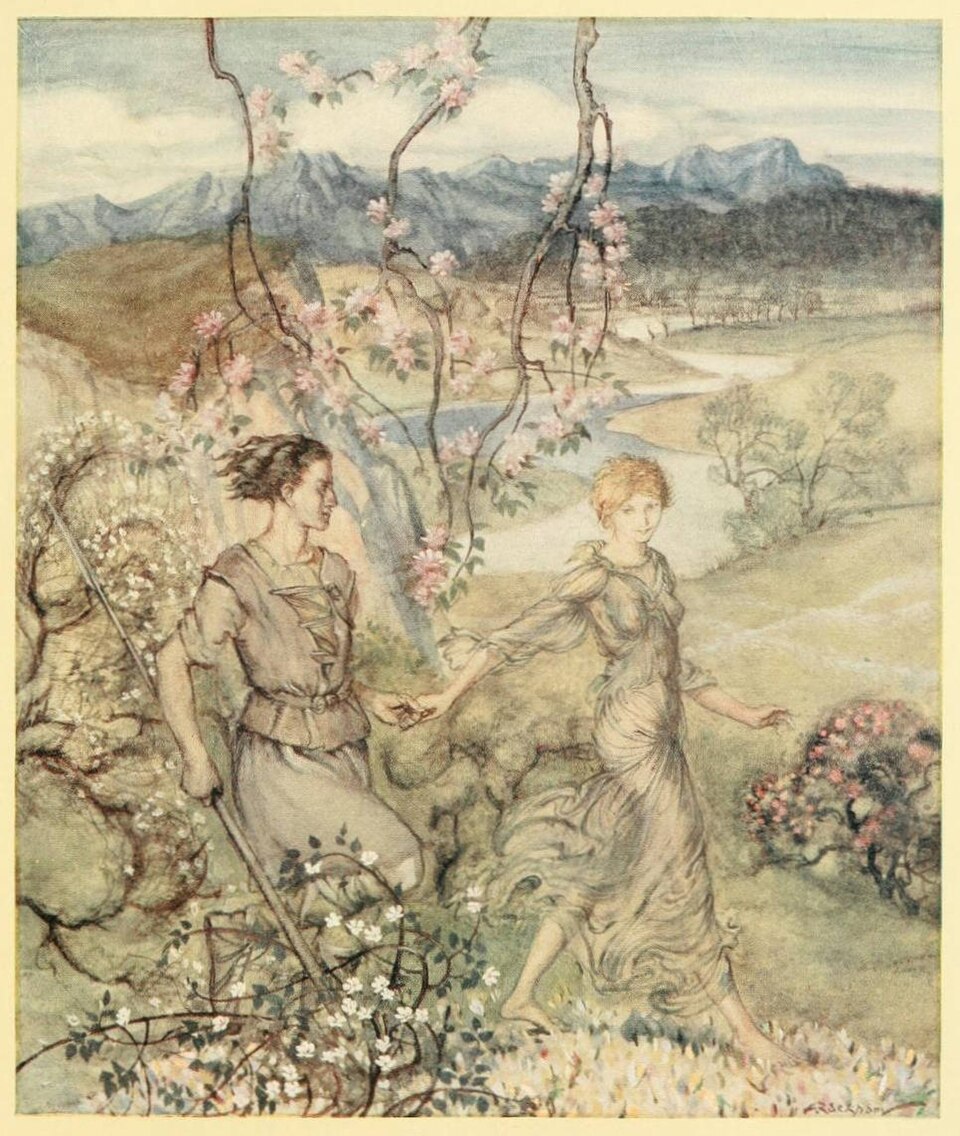
His descriptions of a "stately marble palace" surrounded by rivers and fountains provided the foundation for the Western fascination with the site. This imagery was later filtered through the writings of Samuel Purchas and culminated in the 1797 poem Kubla Khan by Samuel Taylor Coleridge. Coleridge’s depiction of a "stately pleasure-dome" in a landscape of "caverns measureless to man" transformed the historical ruins into a timeless archetype of exotic opulence and mystery.The prosperity of Shangdu ended abruptly in 1369 when it was sacked and largely destroyed by Ming dynasty forces during the collapse of the Yuan administration.
Following the court's flight north, the city was abandoned and its original name, Kaiping, was briefly restored before the site fell into total ruin. For centuries, the remains were scavenged for building materials by local residents, but the site's historical importance led to its designation as a UNESCO World Heritage Site in 2012. Today, the Chinese government maintains extensive preservation efforts at the site.
To facilitate modern interest, a new railway connecting Beijing to Zhenglan Banner is currently under construction and is scheduled to open in 2026.