Kublai Khan
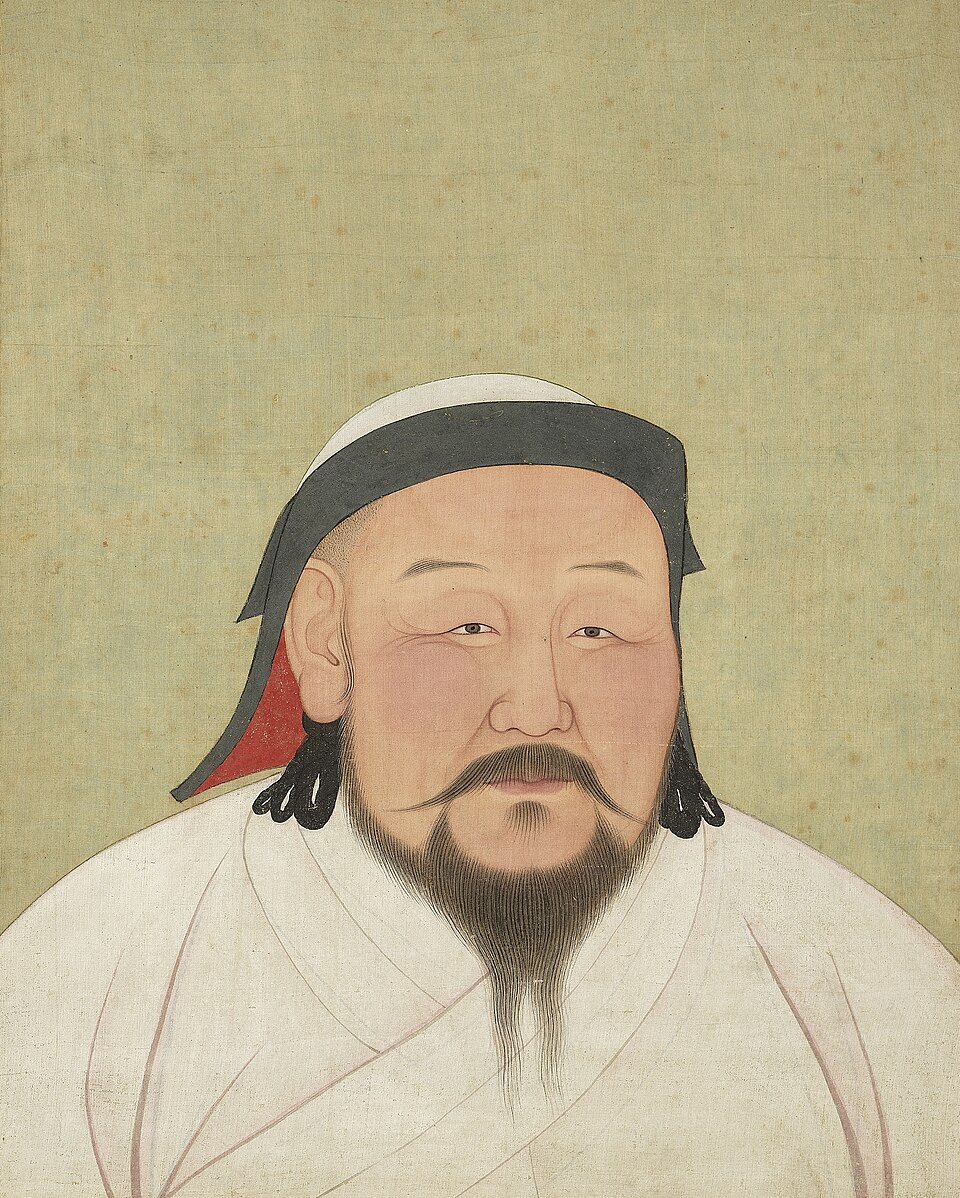
Kublai Khan (1215–1294), posthumously recognized as Emperor Shizu of Yuan and by his regnal title Setsen Khan, was the founder and inaugural emperor of the Mongol-led Yuan dynasty. As the grandson of Genghis Khan and the second son of Tolui and Sorghaghtani Beki, he is historically significant for unifying China under Mongol rule and establishing a sophisticated administrative system that blended nomadic traditions with sedentary Chinese governance. His proclamation of the "Great Yuan" in 1271 marked a definitive transition from the Mongol Empire's expansionist nomadic phase to a centralized imperial dynasty.Kublai’s path to supreme power was defined by a brutal internal struggle known as the Toluid Civil War (1260–1264).
Following the death of his older brother, Möngke Khan, Kublai was proclaimed Khagan, a title immediately challenged by his younger brother, Ariq Böke. While Kublai emerged victorious, the conflict shattered the unity of the Mongol Empire, leading to its permanent fragmentation into four distinct khanates. Although he held the title of Great Khan, his direct administrative authority was largely restricted to the Yuan Empire, with only nominal influence over the Ilkhanate and the Golden Horde.Under Kublai's leadership, the Yuan Empire reached an unprecedented scale, encompassing most of modern-day China, Mongolia, Korea, and southern Siberia.
By 1279, with the final collapse of the Song dynasty, Kublai became the first non-Han ruler to exert control over all of China proper.As Emperor, Kublai sought to project power across Southeast and East Asia, ordering massive military campaigns and naval invasions against Japan, Vietnam, Burma, and Java. While his land-based conquests were largely successful, his maritime expeditions—most notably the two failed invasions of Japan in 1274 and 1281—highlighted the limits of Mongol military reach. Despite the division of the empire, Kublai’s status as Khagan allowed him to facilitate the Pax Mongolica, a period of relative stability that encouraged transcontinental trade and cultural exchange between Europe, the Middle East, and Asia.