Takamagahara(高天原)
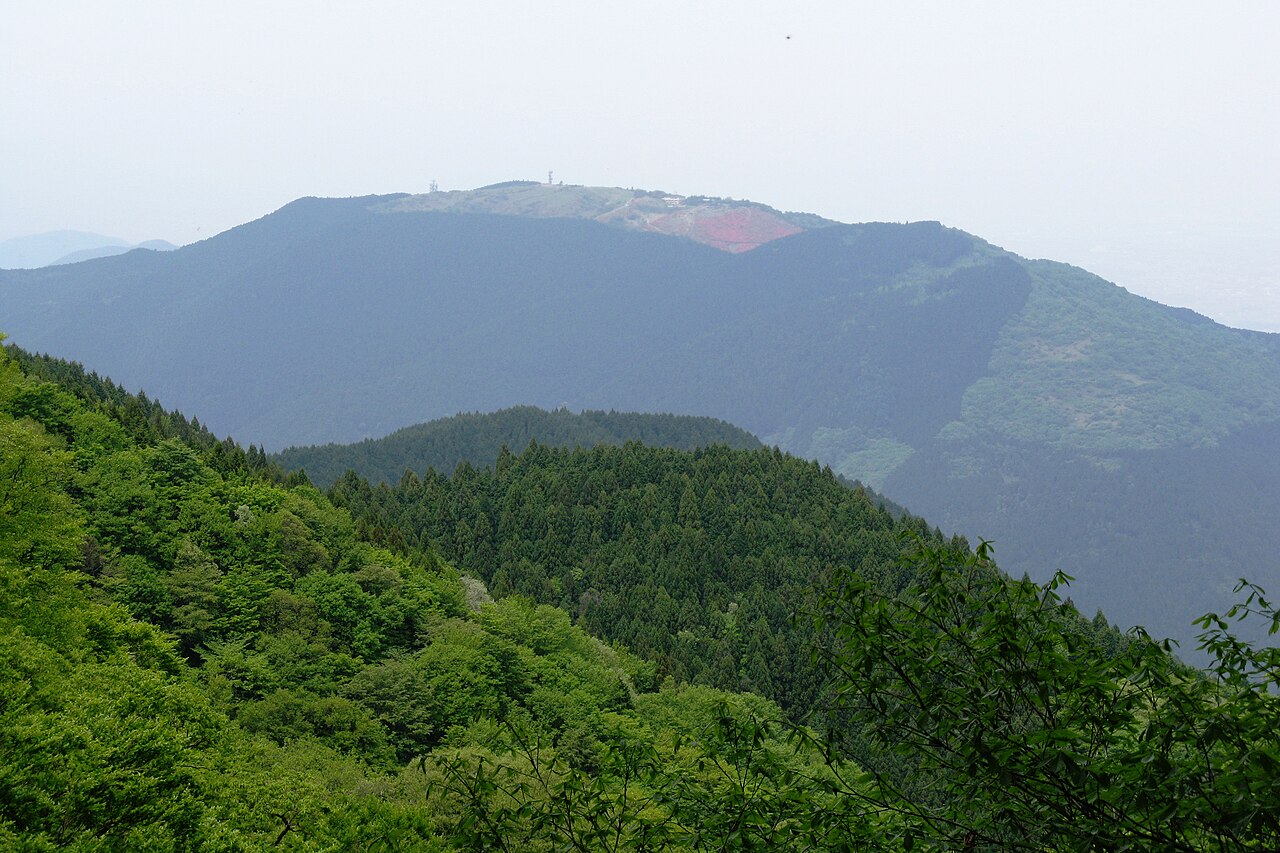
Takamagahara(高天原) is a legendary place from Mount Yamato Katsuragi, Japan, dated to ~720 AD (Middle Ages). It connects to 3 other myths and legends in the Mythosjourney atlas.
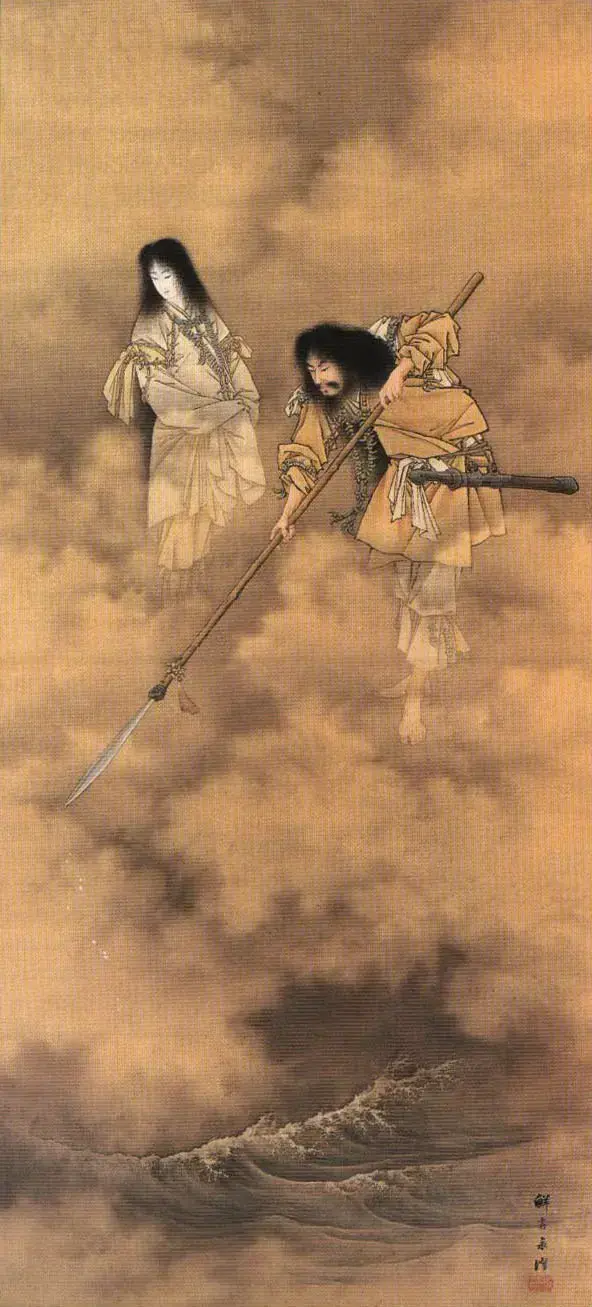
Takamagahara (高天原; "Plain of High Heaven") is the celestial dwelling place of the amatsukami, or heavenly deities, in Japanese mythology and Shinto cosmology. Often referred to by various readings such as Takaamanohara or Takamanohara, it is depicted as a lofty, sacred world of light and purity that stands in contrast to the physical earth (tsuchi). According to traditional belief, this realm is connected to the terrestrial world by the Ame-no-ukihashi, or the "Floating Bridge of Heaven," which allows for the passage of divine beings between the spheres.The creation of Takamagahara is described in the Kojiki (Records of Ancient Matters) as a natural branching of elements during the formation of the universe.
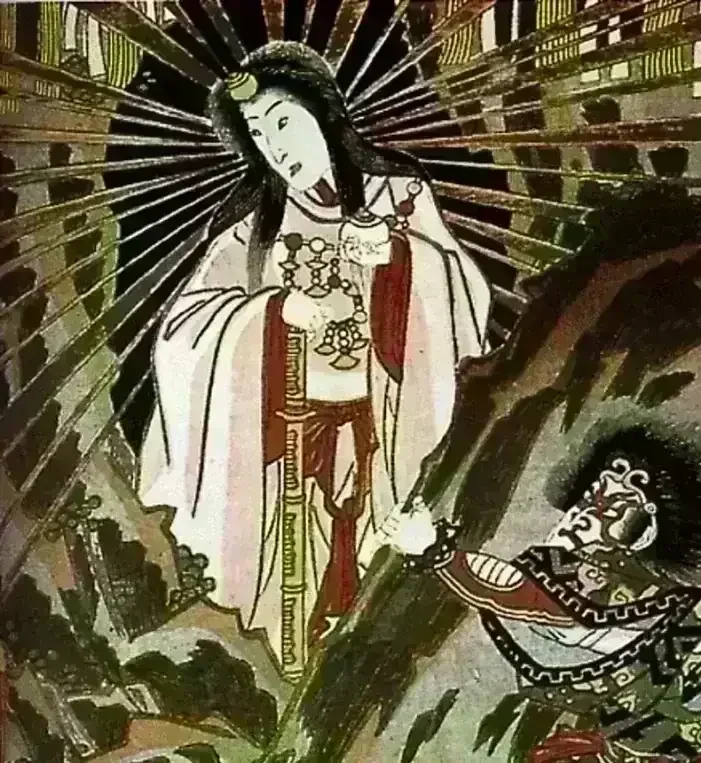
In this Shinto creation myth, the light and pure elements rose upward to form the heavens (ame), while the heavy and turbid elements sank to become the earth.Ame (Heaven): The home of the amatsukami, characterized by its perfect and sacred nature.Tsuchi (Earth): The home of the kunitsukami, or gods of the land.Ashihara-no-Nakatsukuni: The "Central Land of Reed Plains," representing the human world that sits between Heaven and the Underworld.Despite its status as a divine abode, Takamagahara is frequently described in ways that mirror the human world, suggesting that heavenly life was a perfected version of earthly existence. The myths involving the sun goddess Amaterasu and her brother Susanoo mention specific landmarks and activities within the realm:Ama-no-yasukawa: The "Heavenly River of Tranquility," where the gods would often congregate.Ama-no-iwato: The "Heavenly Rock Cave," where Amaterasu famously hid, plunging the worlds into darkness.Agricultural and Industrial Elements: The texts describe paddy fields for rice cultivation and dedicated halls for weaving, giving the impression that the amatsukami engaged in structured, communal labor.Takamagahara serves as the primary seat of authority from which the gods descended to pacify and perfect the earthly realm. After Izanagi commanded his daughter, Amaterasu, to rule the heavens, the mandate to govern the terrestrial world was eventually passed to her grandson, Ninigi-no-Mikoto.
His descent from Takamagahara to the mountaintop of Takachiho marked the beginning of the "Age of Men." Because the Emperors of Japan are traditionally considered direct descendants of Ninigi-no-Mikoto, Takamagahara remains the spiritual and ancestral source of the Imperial family's legitimacy.