Mirza Sahiban
Mirza Sahiban is a classical Punjabi folk tragedy traditionally attributed to the poet Pilu, who is variously dated to the late 16th or the 17th century. The tale is set in the countryside of Jhang and tells of a doomed romance between two young people from leading chieftain families in their respective clans, their secret elopement, and their tragic deaths.
The story centers on Mirza, the son of Banjal, a Kharal chief of Danabad, and Sahiban, the daughter of Khiva Khan from the village of Khewa in Jhang District. Both belonged to the Jat community. The lovers run away together because Sahiban’s parents and brothers disapprove.
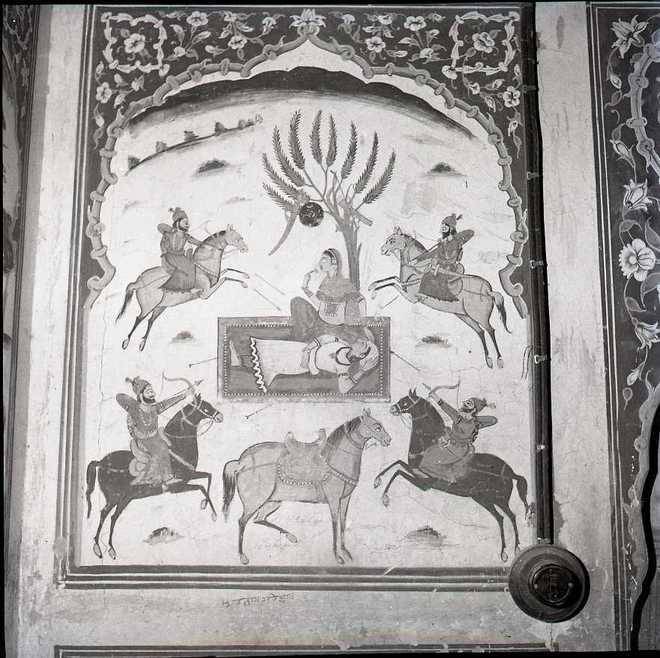
While traveling they stop beneath a jand tree so Mirza can rest and he falls asleep. Fearing that a bloody clash with her brothers would mark the start of her married life, Sahiban quietly breaks Mirza’s arrows so he will be unable to fight, intending instead to plead for her family’s forgiveness and a peaceful reconciliation. When Sahiban’s brothers arrive, Mirza wakes, finds his arrows ruined, and is killed by them.
Overcome with grief and guilt, Sahiban takes her own life with an arrow.
Mirza Sahiban is counted among the four great Punjabi tragic romances alongside Heer Ranjha, Sohni Mahiwal, and Sassi Punnun. The poem and the oral tradition that surrounds it explore themes of love and honor, the clash between individual desire and family duty, and the social codes that govern rural life. The tale has been retold in countless oral performances, songs, poems, stage plays, and films, and it continues to be a powerful cultural reference in Punjab and in diaspora communities.