Naresuan
Naresuan (1555/1556 – April 25, 1605), commonly known as Naresuan the Great or by his regnal name Sanphet II, was the eighteenth king of the Ayutthaya Kingdom and the second monarch of the Sukhothai dynasty. He ruled as king of Ayutthaya from 1590 and extended his authority to become overlord of Lan Na (the northern Thai kingdom centered on Chiang Mai) from 1602 until his death in 1605. Naresuan ranks among Thailand's most revered and celebrated monarchs, achieving legendary status for his successful military campaigns that liberated Ayutthaya from vassalage under the powerful Taungoo Empire of Burma and restored Siamese independence after years of humiliating subordination to Burmese overlordship.
Naresuan's early life was shaped by the geopolitical realities of sixteenth-century mainland Southeast Asia, where the expansionist Taungoo Empire under King Bayinnaung had conquered Ayutthaya and reduced it to tributary status. As a young prince, Naresuan was held hostage at the Burmese court in Pegu—a common practice whereby conquerors ensured vassal states' loyalty by keeping royal hostages who would be killed if their kingdoms rebelled. This experience provided Naresuan with intimate knowledge of Burmese military organization, tactics, and political culture, while simultaneously instilling in him a burning determination to free his kingdom from foreign domination once he gained sufficient power to challenge Burmese hegemony.
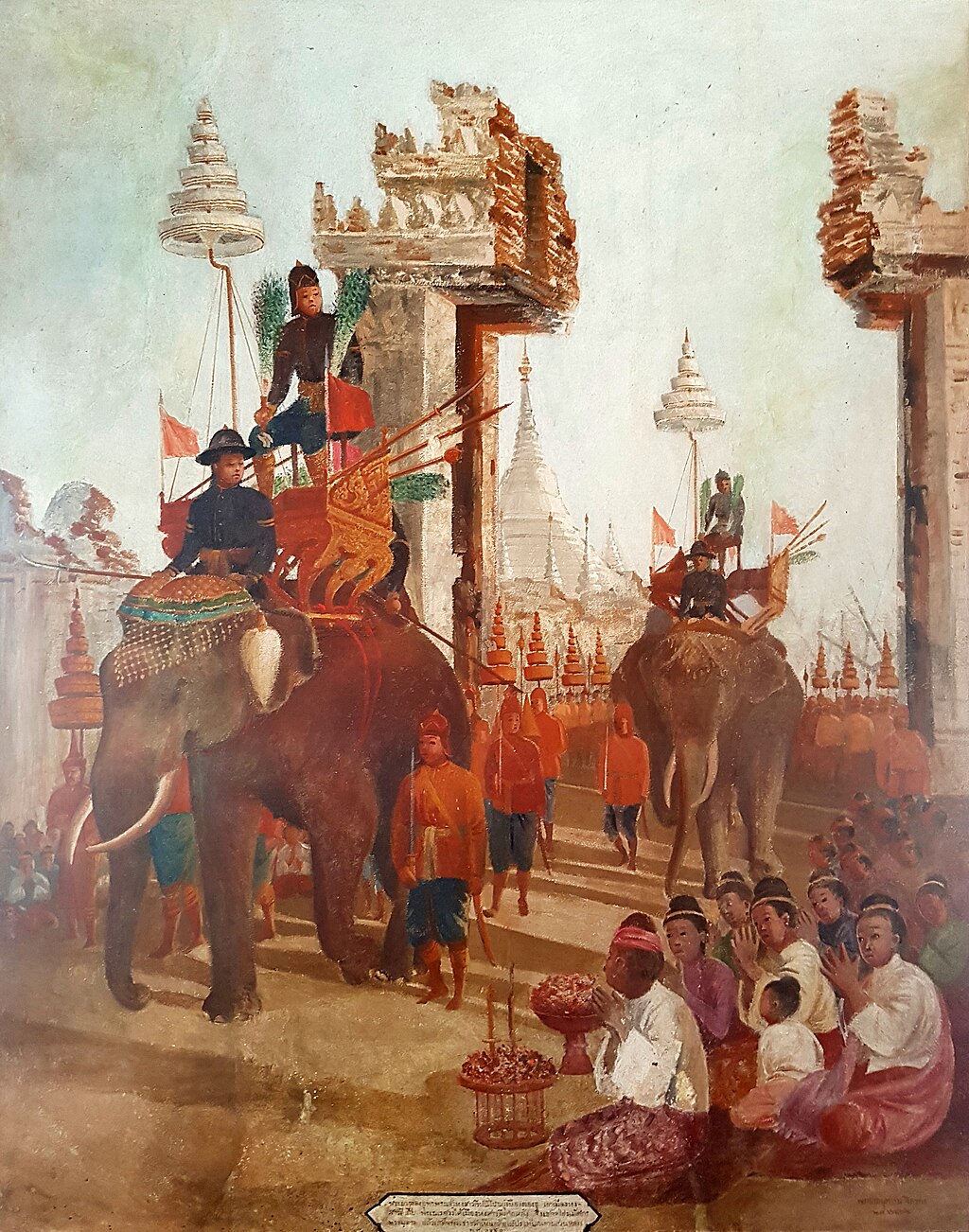
During Naresuan's reign from 1590 to 1605, Ayutthaya fought numerous exhausting wars against Taungoo Burma, as the Burmese repeatedly attempted to reassert their authority over their former vassal and Naresuan systematically worked to expand Siamese territory at Burmese expense and to establish Ayutthaya as the dominant regional power. These conflicts tested Naresuan's military genius, his kingdom's resources, and the loyalty of subordinate princes and allied states who might have defected to the Burmese side if they had perceived weakness or imminent Siamese defeat. The most famous episode from these wars occurred in 1593 at the Battle of Nong Sarai, where according to Thai historical tradition, Naresuan personally fought and killed the Burmese crown prince Mingyi Swa in single combat while mounted on war elephants—an legendary encounter known as the "Elephant Duel" that has been celebrated in Thai literature, drama, art, and popular culture for over four centuries as the supreme moment of Thai martial prowess and royal courage.
Whether this dramatic elephant-mounted duel occurred exactly as tradition describes or represents an embellished or symbolic account of a broader military victory, it has served Thai national consciousness as the defining image of Naresuan's heroism and the moment when Siamese independence was decisively secured through the king's personal valor. Beyond his military achievements against Burma, Naresuan also extended Ayutthaya's influence northward by establishing overlordship over Lan Na in 1602, bringing the historically independent northern Thai kingdom under Ayutthaya's suzerainty and expanding the territory under his control. This northern expansion demonstrated Naresuan's ambitions extended beyond merely defending Ayutthaya's independence to actively building a larger Thai sphere of influence that would make his kingdom the preeminent power in mainland Southeast Asia.
Naresuan also demonstrated political sophistication and strategic vision in his foreign relations by welcoming Dutch traders and explorers to Ayutthaya, recognizing that European powers represented potential counterweights to regional rivals and sources of advanced military technology, particularly firearms and naval capabilities that could enhance Ayutthaya's military effectiveness. By opening diplomatic and commercial relations with the Dutch East India Company during the early years of European expansion into Asian waters, Naresuan positioned his kingdom to benefit from trade revenues and access to European weapons while avoiding the kind of dependent relationships with European powers that would later prove problematic for other Southeast Asian kingdoms. This engagement with the Dutch reflected Naresuan's pragmatic understanding that successful statecraft in the increasingly interconnected early modern world required flexibility in forming alliances and openness to new technologies and trading partners regardless of their geographic or cultural origins.
Naresuan died on April 25, 1605, while on campaign in Burma, possibly from illness contracted during military operations—a fitting end for a warrior king who had spent most of his reign personally leading armies in the field rather than ruling from the safety of his palace. His death at the relatively young age of forty-nine or fifty deprived Ayutthaya of its greatest military leader and left uncertain whether his successors could maintain the independence and regional dominance he had fought so hard to establish. In Thai historical memory and national consciousness, Naresuan occupies an exalted position as one of the greatest Thai kings and as the embodiment of Thai independence, martial valor, and resistance to foreign domination.
His image appears on currency, stamps, and public monuments throughout Thailand; his life has been dramatized in films, television series, historical novels, and theatrical performances; and January 25 is celebrated in Thailand as "Naresuan the Great Memorial Day," a national observance honoring his memory and his achievements. Naresuan's legend serves contemporary Thailand as a symbol of national pride, military excellence, and the conviction that even when confronted by more powerful enemies, courage, brilliant leadership, and determination can secure independence and elevate a nation to regional greatness—themes that resonate with Thai nationalism and provide historical precedent for Thai sovereignty and resistance to external pressures.