William Wallace
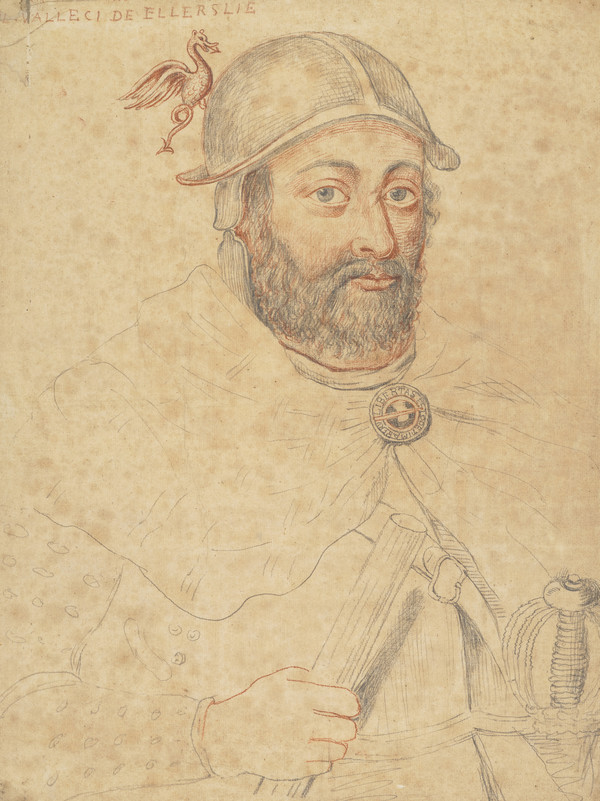
Sir William Wallace (Scottish Gaelic: Uilleam Uallas, pronounced [ˈɯʎam ˈuəl̪ˠəs̪]; Norman French: William le Waleys), born approximately 1270 and executed August 23, 1305, was a Scottish knight who emerged as one of the principal leaders during the First War of Scottish Independence and became the most iconic symbol of Scottish resistance against English domination. His military leadership, unwavering defiance of English authority, and brutal execution transformed him into a legendary figure whose memory has inspired Scottish national consciousness for over seven centuries. Along with Andrew Moray, Wallace achieved a stunning military victory by defeating a larger and better-equipped English army at the Battle of Stirling Bridge in September 1297.
This triumph demonstrated that English forces could be beaten through tactical ingenuity and exploiting terrain advantages, and it galvanized Scottish resistance throughout the kingdom. In recognition of his military success and leadership, Wallace was appointed Guardian of Scotland, effectively making him the leader of the Scottish resistance and administrator of those territories under Scottish control. He served in this capacity until his catastrophic defeat at the Battle of Falkirk in July 1298, where English longbowmen and heavy cavalry decimated the Scottish forces despite their courageous resistance.
Following this defeat, Wallace resigned the Guardianship but continued resisting English rule through guerrilla warfare and diplomatic efforts to secure foreign support for Scottish independence. In August 1305, Wallace was captured through betrayal in Robroyston, near Glasgow, and handed over to King Edward I of England, who was determined to make an example of the Scottish rebel leader. Edward had Wallace transported to London, where he was subjected to a show trial for high treason and crimes against English civilians.
Despite Wallace's argument that he could not commit treason against a king to whom he had never sworn allegiance, he was convicted and sentenced to the horrific punishment reserved for traitors: he was hanged, drawn and quartered—a deliberately agonizing and humiliating execution designed to terrorize others who might consider rebellion. His body was dismembered, with parts displayed in various Scottish towns as a warning, though this brutal treatment only enhanced his martyrdom and legendary status. Since his death, Wallace has achieved legendary status that extends far beyond Scotland's borders, becoming an international symbol of resistance against oppression and the struggle for national self-determination.
He is the protagonist of Blind Harry's fifteenth-century epic poem The Wallace, which romanticized and embellished his deeds for popular audiences and established many of the legendary elements of his story. Later literary works by Jane Porter and Sir Walter Scott further developed Wallace's legend during the Romantic period, when his story resonated with growing interest in national heroes and medieval chivalry. In modern times, Wallace's fame reached global audiences through the Academy Award-winning film Braveheart (1995), which, despite significant historical inaccuracies, powerfully conveyed the emotional core of his resistance and introduced his story to millions worldwide.
Through these various cultural representations across centuries, Wallace has transcended his historical reality to become an enduring symbol of courage, sacrifice, and the human desire for freedom.