Vinland
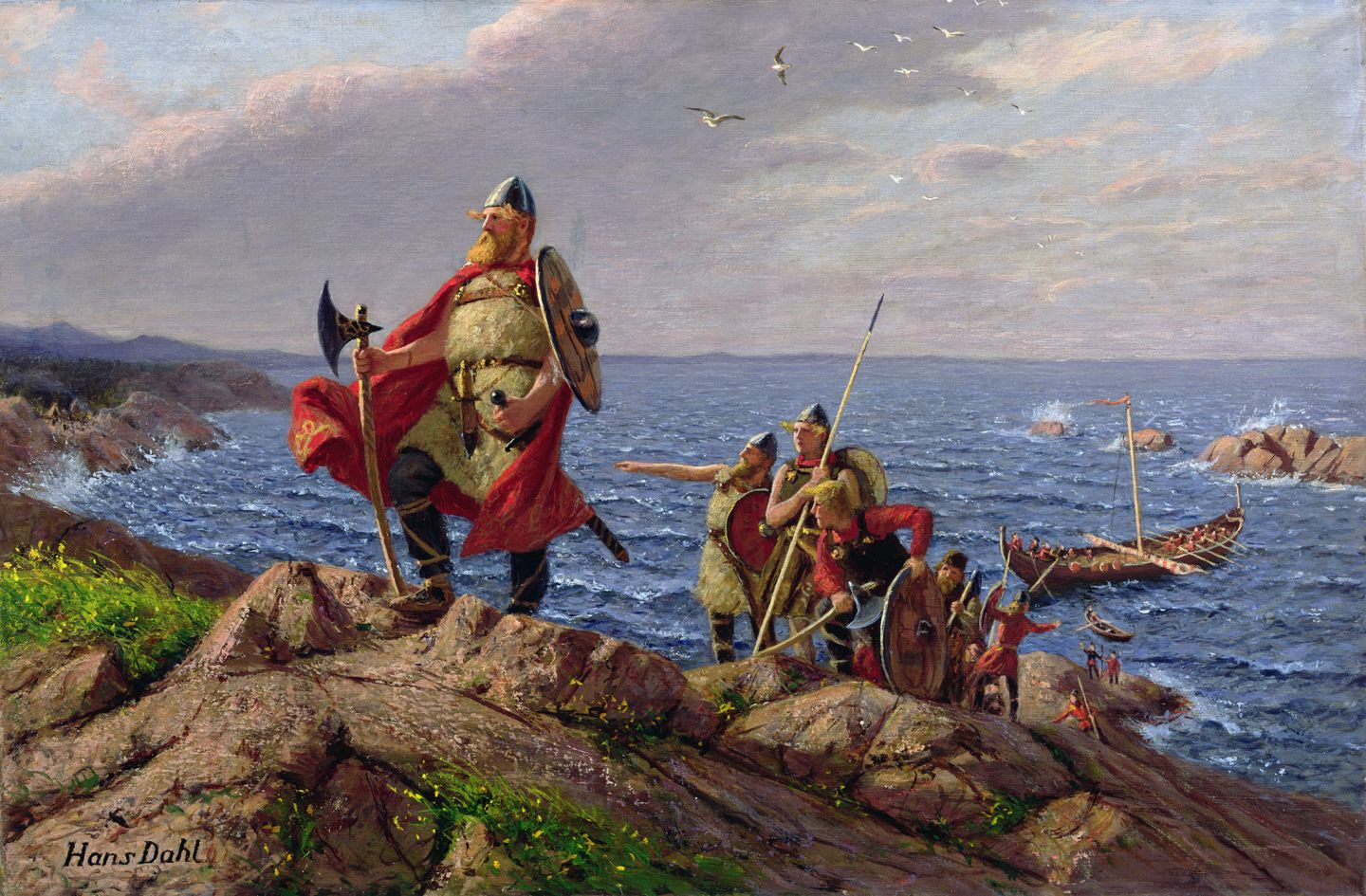
Vinland, Vineland, or Winland (Old Norse: Vínland hit góða, meaning "Vinland the Good") was a region of coastal North America explored by Norse voyagers. Leif Erikson reached these shores around 1000 AD, nearly five centuries before Christopher Columbus and John Cabot made their transatlantic crossings. The name appears in the Vinland Sagas, which describe territories beyond Greenland, Helluland, and Markland.
Much of the geographical information in these sagas aligns with modern understanding of transatlantic navigation and North American geography. In 1960, archaeologists discovered L'Anse aux Meadows on the northern tip of Newfoundland, providing the only confirmed Norse archaeological site in North America. Before this discovery, knowledge of Vinland came solely from the sagas and medieval historical texts.
The 1960 finding definitively established pre-Columbian Norse exploration of mainland North America. Excavations at L'Anse aux Meadows uncovered butternuts, which do not grow that far north, indicating Norse voyages extended into the Gulf of Saint Lawrence as far as northeastern New Brunswick. Scholars have proposed that L'Anse aux Meadows may be the camp called Straumfjörð mentioned in the Saga of Erik the Red.
The exact extent and location of the territories the Norse called Vinland remain subjects of scholarly debate. The name itself has sparked discussion, as some interpretations suggest it derives from "wine land" due to wild grapes, while others propose alternative etymologies. What remains clear is that Norse explorers established at least temporary settlements in North America centuries before sustained European contact, leaving behind archaeological evidence that has fundamentally revised our understanding of transatlantic exploration and contact between the Old World and the New.