Titanomachy
Titanomachy is a historical event from Ancient Thessaly, Greece, dated to ~2200 BC (Prehistoric era). It connects to 14 other myths and legends in the Mythosjourney atlas.
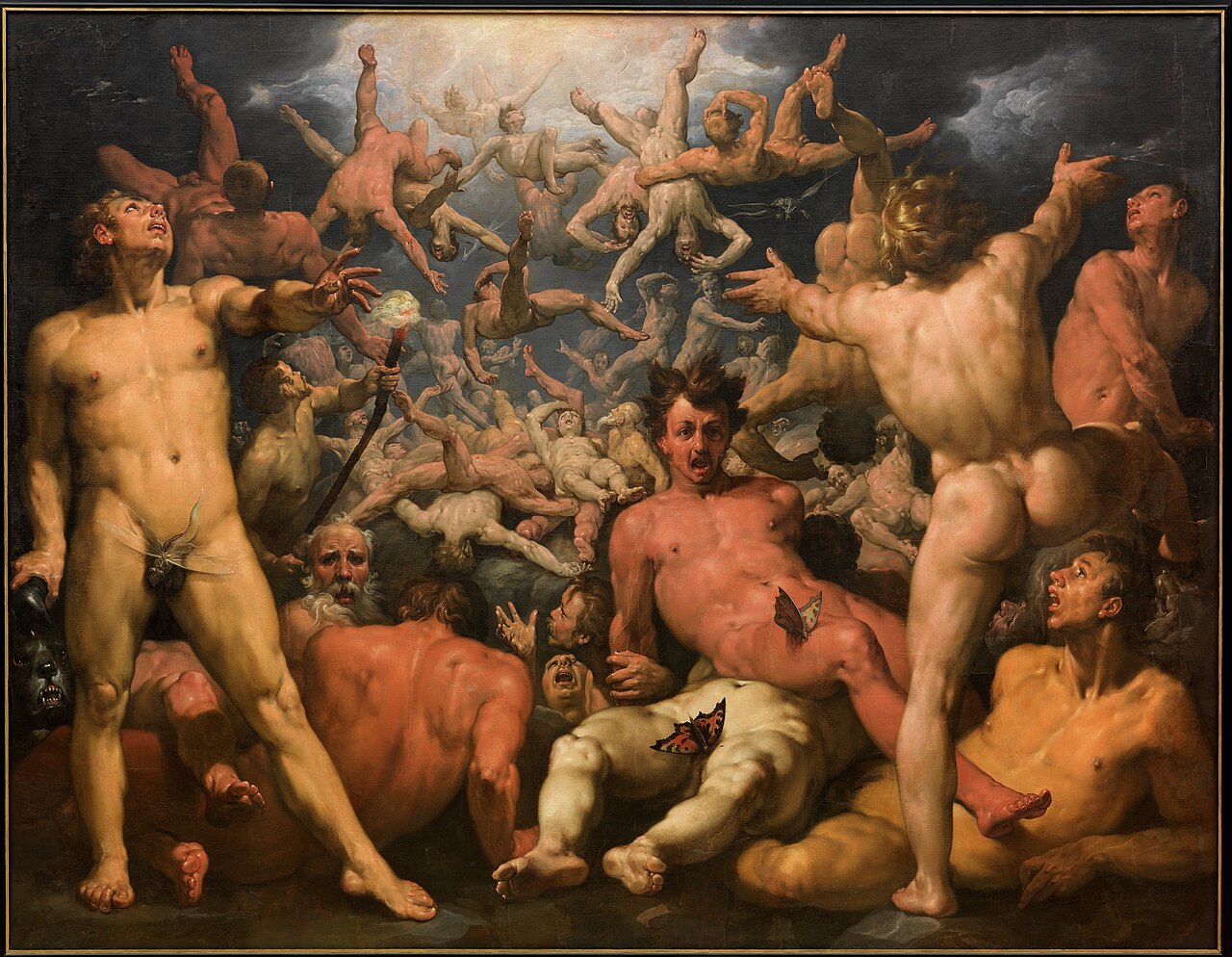
The Titanomachy (Ancient Greek: Τιτανομαχία; "Battle of the Titans") was the legendary ten-year struggle for universal sovereignty fought between the elder generation of deities, the Titans, and the ascending Olympians. Primarily chronicled in Hesiod’s Theogony, this cosmic war was centered in ancient Thessaly, with the Titans entrenched upon Mount Othrys and the Olympians established on Mount Olympus. The conflict represented a fundamental transition in the Greek mythological timeline, marking the end of the chaotic primordial era and the establishment of the divine order led by Zeus.The seeds of the Titanomachy were sown when the youngest Titan, Cronus, overthrew his father, Uranus (the Sky).
Distressed by Uranus’s imprisonment of her monstrous children—the hundred-armed Hecatoncheires and the one-eyed Cyclopes—Gaia (the Earth) conspired with Cronus to ambush his father. Using an adamantine sickle forged by Gaia, Cronus castrated Uranus, an act that led to the birth of the Erinyes (Furies), the Meliae (nymphs), and eventually Aphrodite from the sea foam. However, the dying Uranus cursed Cronus, prophesying that he, too, would be overthrown by his own offspring.Consumed by paranoia over his father’s curse, Cronus became a tyrant, swallowing his children—Hestia, Demeter, Hera, Hades, and Poseidon—as they were born.
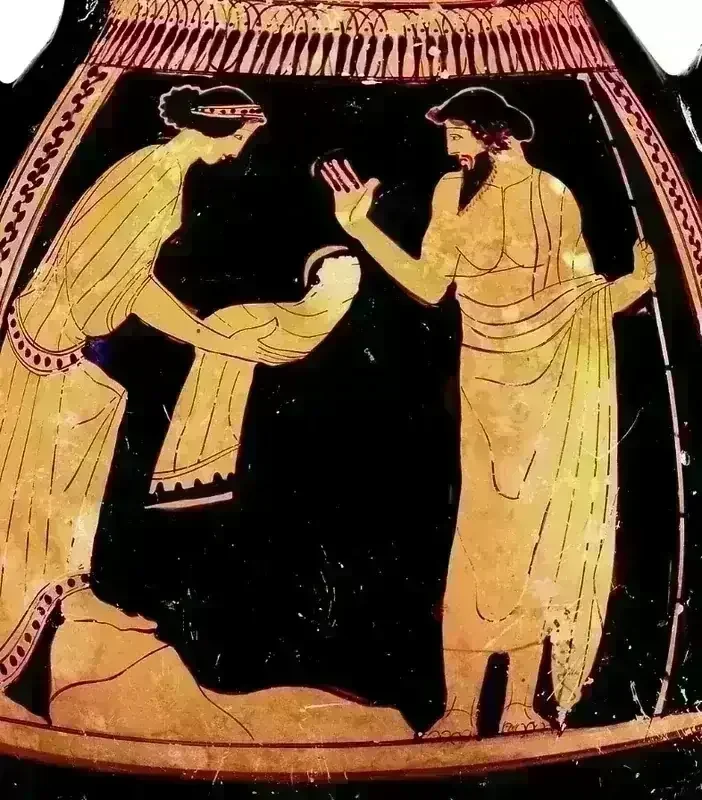
His wife, Rhea, eventually intervened to save her youngest, Zeus, by tricking Cronus into swallowing a stone wrapped in swaddling clothes. Zeus was spirited away to Crete, where he reached adulthood and eventually administered an emetic to Cronus, forcing him to disgorge his fully grown siblings. This act of liberation formed the core of the Olympian alliance, setting the stage for a decade of relentless celestial warfare.The war was not merely a family feud but a gathering of cosmic forces.
To secure victory, Zeus descended to Tartarus to liberate the Hecatoncheires and the Cyclopes, whom Cronus had re-imprisoned. In gratitude, the Cyclopes—master smiths of the divine—forged the primary weapons of the Olympian triumvirate:The Thunderbolt for Zeus.The Trident for Poseidon.The Helmet of Darkness for Hades.The Olympians were further bolstered by the defection of the Titaness Themis and her son Prometheus, as well as the arrival of Styx and her personified children: Nike (Victory), Zelus (Enthusiasm), Kratos (Strength), and Bia (Force). Conversely, the Titans were led in the field by Atlas, who served as Cronus’s second-in-command.The war concluded with a decisive Olympian victory, aided by the Hecatoncheires, who bombarded the Titans with three hundred stones at a time.
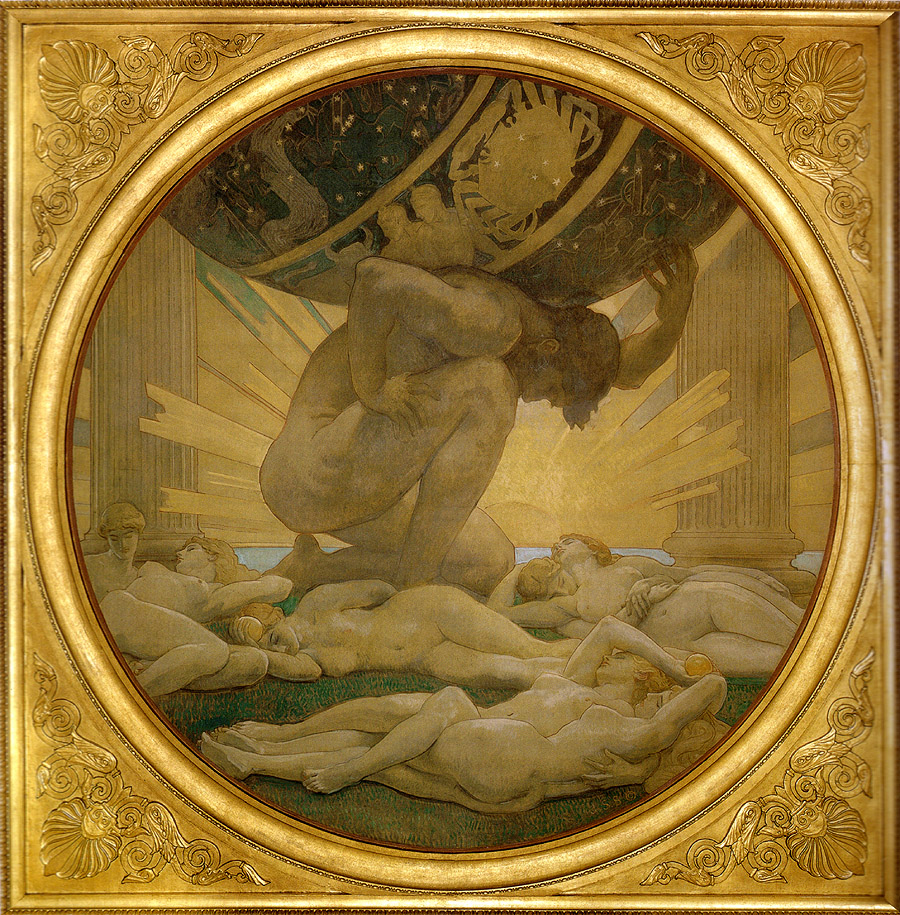
Zeus condemned the defeated Titans to eternal imprisonment in the depths of Tartarus, guarded by the very giants he had freed. Atlas was singled out for a unique punishment: the eternal burden of holding up the celestial sphere upon his shoulders. With the Titans removed from power, the three brothers divided the universe by lot:Zeus claimed the heavens and the air, becoming the King of the Gods.Poseidon was granted dominion over the seas and all waters.Hades took command of the Underworld, the realm of the dead.The Earth remained common ground, where all gods could exercise influence.