Thetis
Thetis is a multifaceted figure in Greek mythology who primarily serves as a sea nymph and a goddess of water, recognized as one of the fifty Nereids born to the ancient sea god Nereus and his wife Doris. While often depicted leading her sisters in their aquatic duties, she possesses a deeper cosmological significance that links her to early deities like Tethys and Metis. Surviving fragments of archaic worship, such as an ancient hymn by the poet Alcman, suggest she was once viewed as a creator of the universe, a role far more expansive than her later portrayal in classical myths.
Known by the epithet Halosydne, meaning "sea-nourished" or "sea-born," her divine status remained significant enough that historical writers like Pausanias documented her continued worship in various regions of Greece long after the Archaic period.
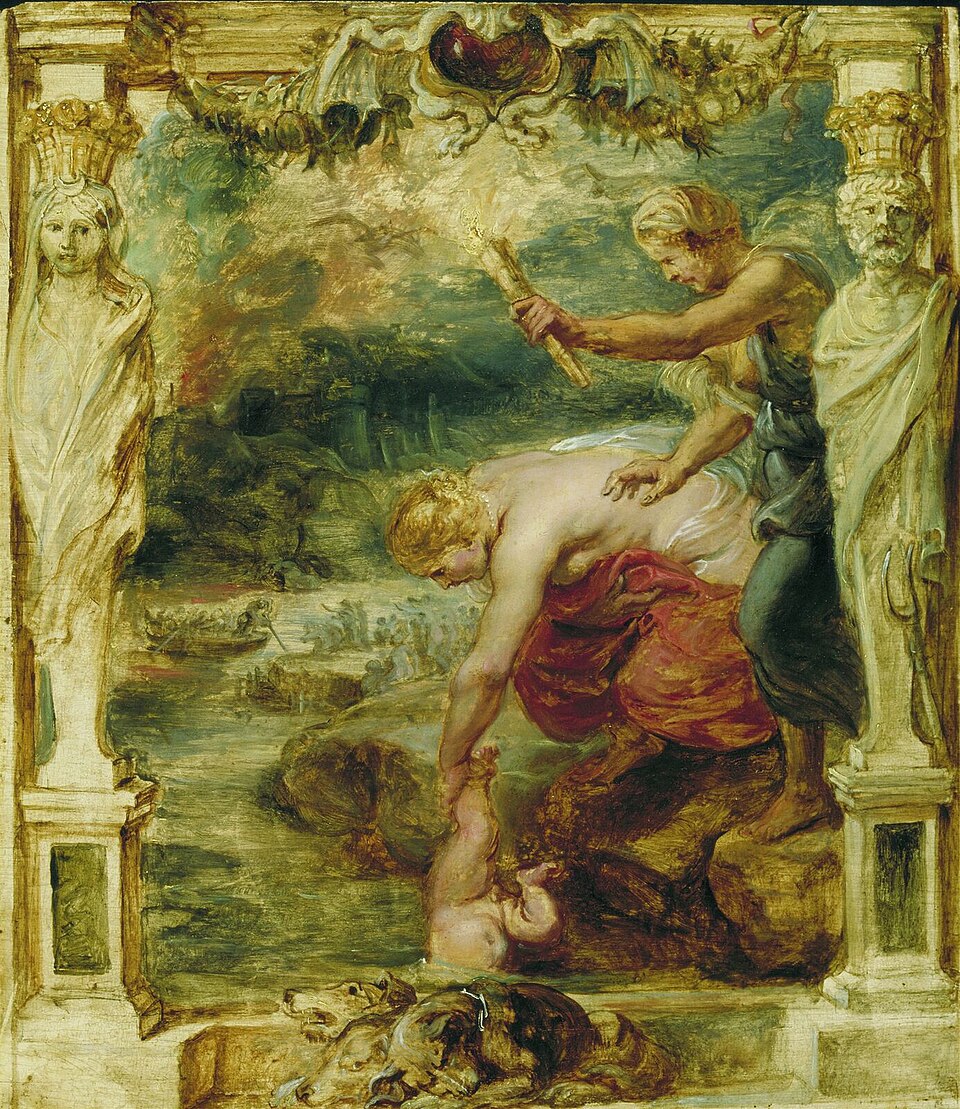
In the epic traditions of the Trojan War, Thetis plays a central role as the wife of the mortal hero Peleus and the mother of Achilles. Her wedding was a momentous event that drew the participation of the Olympian gods, yet it also acted as a catalyst for the war itself when the goddess of discord, Eris, introduced the Golden Apple among the guests. Throughout the life of her son Achilles, Thetis acted as a protective and prophetic figure, famously dipping him into the River Styx to grant him invulnerability and later commissioning the god Hephaestus to forge his legendary armor.
Her presence bridges the gap between the ancient, elemental powers of the ocean and the heroic age of Greece, marking her as one of the most influential female figures in the mythological pantheon.