The Beast of Bray Road
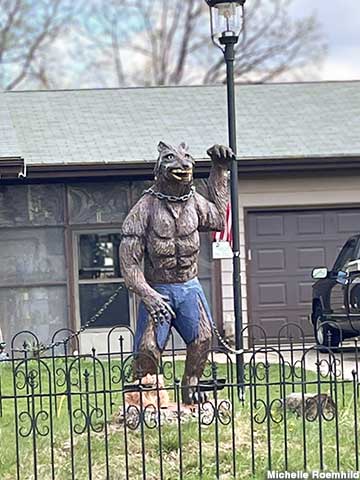
The Beast of Bray Road was a formidable and enigmatic wolf-like entity of Wisconsin folklore, most famously depicted as a bipedal, canine predator that haunts the rural outskirts of Elkhorn in Walworth County. As a primary figure in modern American cryptozoology, it occupied a position of profound significance—and local dread—following a surge of reported sightings during the late 1980s and early 1990s. Named for the secluded farm road where its most notorious appearances occurred, the creature represents a cultural bridge between the ancient "werewolf" archetypes of Europe and the dark, wooded corridors of the American Midwest.
The origin of this legend in the public consciousness is inextricably linked to the investigative work of reporter Linda Godfrey, who transformed a series of local accounts for the Walworth County Week into the definitive chronicle, The Beast of Bray Road: Tailing Wisconsin's Werewolf.
According to regional tradition, the Beast is frequently described as a shaggy, powerfully built creature standing nearly seven feet tall, possessing the head of a wolf but the capable, bipedal gait of a human. In a primary example of the "bipedal canine" motif, witnesses often reported the entity kneeling by the roadside to feed or standing upright to watch passing motorists, its eyes glowing with an eerie, predatory light. This "Wisconsin Werewolf" sparked an immediate media sensation, leading to a proliferation of books, documentaries, and even a 2005 horror film that expanded the legend’s reach far beyond its rural origins.
While believers argue the beast is a biological anomaly or a remnant of a forgotten species, skeptics maintain that the sightings are likely the result of misidentifying known animals, such as the gray wolf or a large domestic dog, exacerbated by the shadows and low visibility of the Wisconsin night.