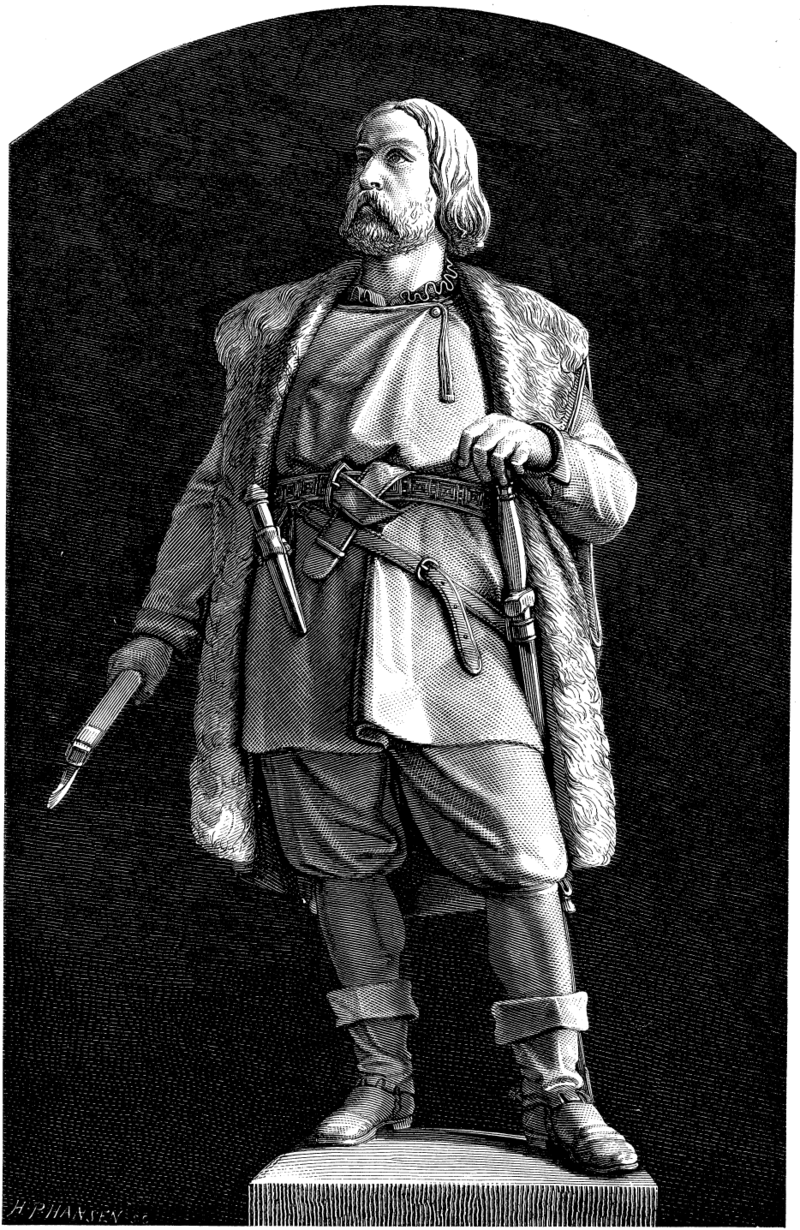
Simon bar Kokhba
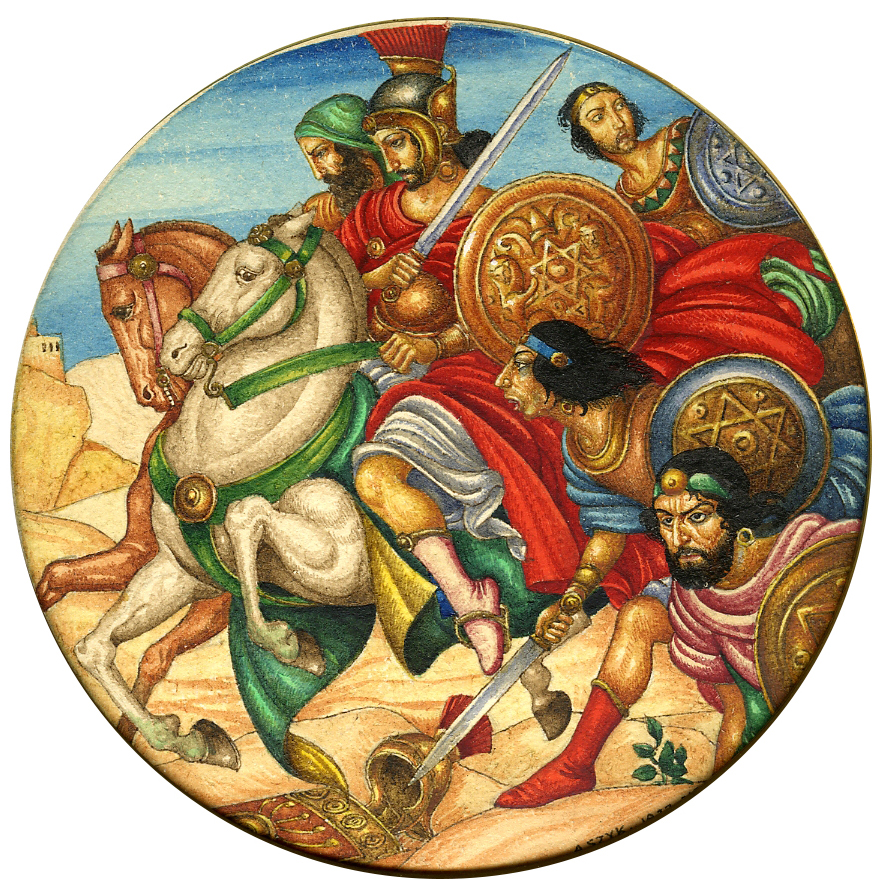
Simon bar Kokhba is a legendary figure from Betar, Palestine, dated to ~135 AD (Classical antiquity).
Simon bar Kokhba (Hebrew: שִׁמְעוֹן בַּר כּוֹכְבָא, Šīm'ōn bar Kōḵḇāʾ), also known as Simon bar Koseba (שִׁמְעוֹן בַּר כֹסֵבָא, Šīm'ōn bar Ḵōsēḇaʾ), was a Jewish military leader in Judea who launched a major uprising against Roman rule in 132 CE. The rebellion that bears his name, though ultimately crushed, succeeded in establishing an independent Jewish state that endured for approximately three years. Bar Kokhba led this state as its nasi, meaning "prince," and some contemporary rabbinic authorities regarded him as the long-awaited Messiah.
In 135 CE, Roman forces killed Bar Kokhba at the fortified town of Betar. Within a year, the remaining Judean rebels were either killed or enslaved, and their defeat prompted Emperor Hadrian to impose severe reprisals against the Judean population. Documents unearthed during the 20th century in the Cave of Letters reveal his original name with several variations: Simeon bar Kosevah (שמעון בר כוסבה), Bar Kosevaʾ (בר כוסבא), or Ben Kosevaʾ (בן כוסבא).
Scholars consider Bar Koseba the most likely form of his original surname. The name probably indicates either his father's name or his place of origin was Koseva(h), with the site of Khirbet Kuwayzibah being a plausible candidate for identification. Other scholars, including Emil Schürer, have suggested the surname might derive from his birthplace in the village of Chozeba (possibly Chezib), though it could simply be a family name.
During the revolt, the renowned Jewish sage Rabbi Akiva proclaimed Simon to be the Messiah. The Jerusalem Talmud (Taanit 4:5) records Akiva's interpretation of the Star Prophecy from Numbers 24:17—"There shall come a star out of Jacob"—as referring to Simon. This messianic identification stemmed from a wordplay connecting the Hebrew word for star, kokhav, with Simon's name, bar Kozeva.
Interestingly, the name Bar Kokhba, which derives from Akiva's prophetic declaration, does not appear in the Talmud itself but only surfaces in ecclesiastical sources until the 16th century. Both the Jerusalem Talmud (Taanit 4:5) and the Babylonian Talmud (Sanhedrin 93b and 97b) refer to him as Bar Kozeva.