Simargl
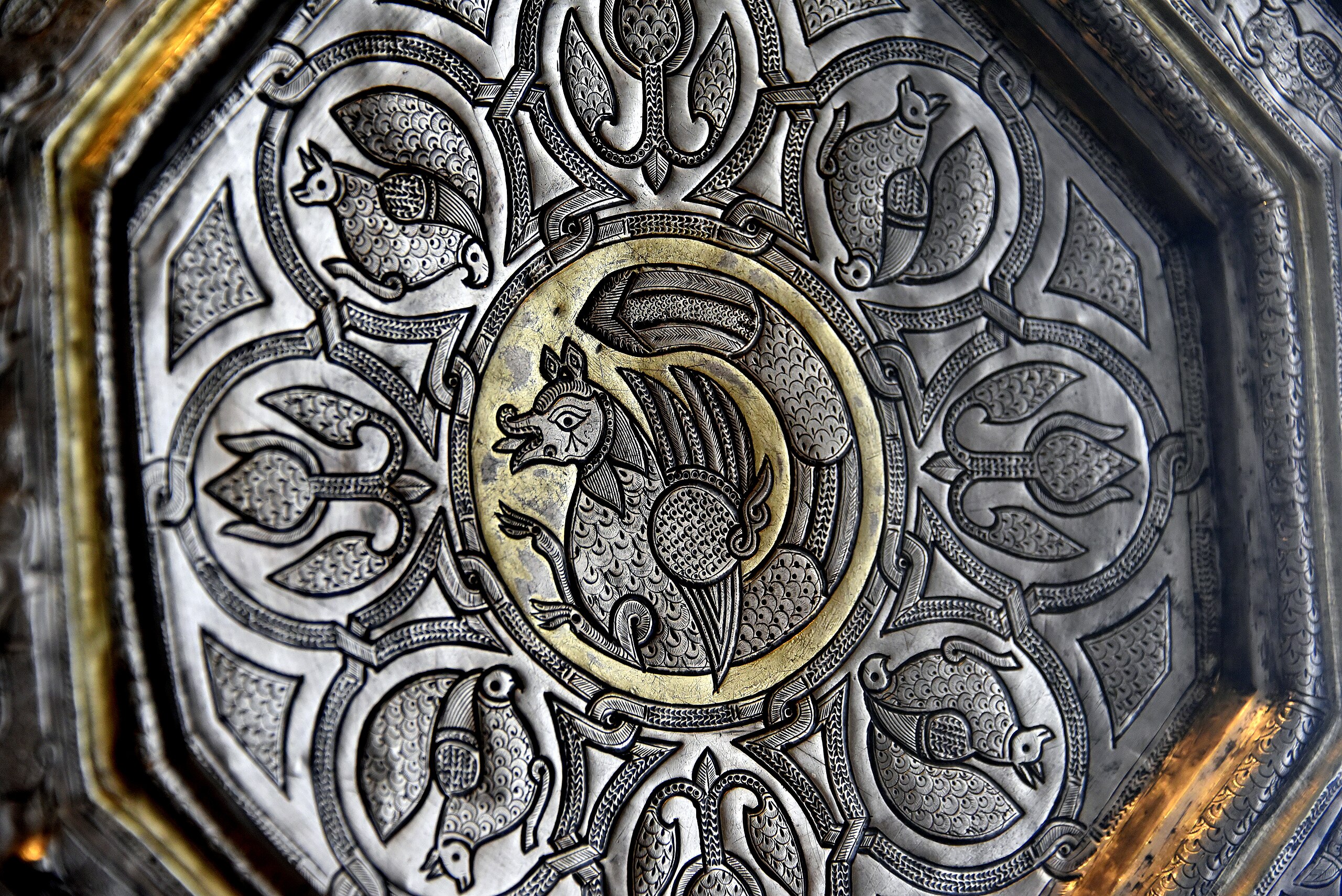
Simargl (also Sěmargl or Semargl) was an enigmatic and fiercely debated deity of the East Slavic pantheon, most famously depicted in medieval iconography as a winged dog. As one of the foundational figures of the Kievan Rus', he occupied a position of profound significance among the six primary idols erected by Vladimir the Great upon a hilltop in Kyiv in 980 AD. According to the Primary Chronicle, Simargl stood alongside such prominent gods as the thunderous Perun and the earth-mother Mokosh, serving as a recipient of the blood sacrifices offered by a people yet to embrace Christianity.
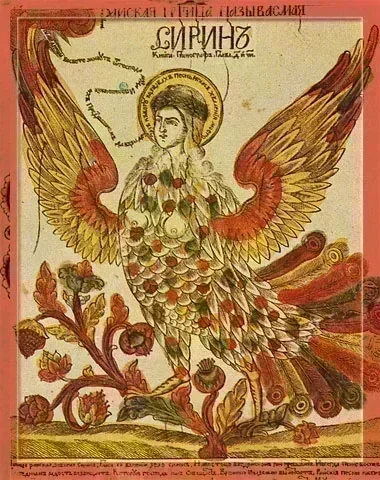
The origin of this chimeric figure remains a central point of contention among mythologists; the prevailing view suggests that Simargl was a "borrowed" divinity derived from the Iranian Simurgh, a benevolent bird-dog of Persian lore, representing a cultural bridge between the Iranian steppe and the Slavic heartland.
However, this singular interpretation is challenged by a 12th-century text, the Sermon by One Who Loves Christ, which suggests the entity may actually have been two separate deities: Sěm and Rgel. This secondary source denounces those of "double faith" (dvoeverie) who continued to maintain pagan rituals, describing practitioners who offered prayers with "fire under the fields of sheaves" to these spirits. Such a specific ritual association implies that Simargl—or the duo of Sěm and Rgel—functioned as guardians of the hearth and the harvest, protecting the seeds and the essential warmth required for agrarian survival.
Whether viewed as a singular celestial messenger or a pair of agricultural protectors, the figure serves as a primary example of the "chimeric guardian" motif in Slavic belief. To the early Christian chroniclers, his worship was a profane vestige of a demonic past, yet for the people of the Rus', the winged canine represented a vital link to the protective forces of the natural and celestial worlds.