Ramidreju
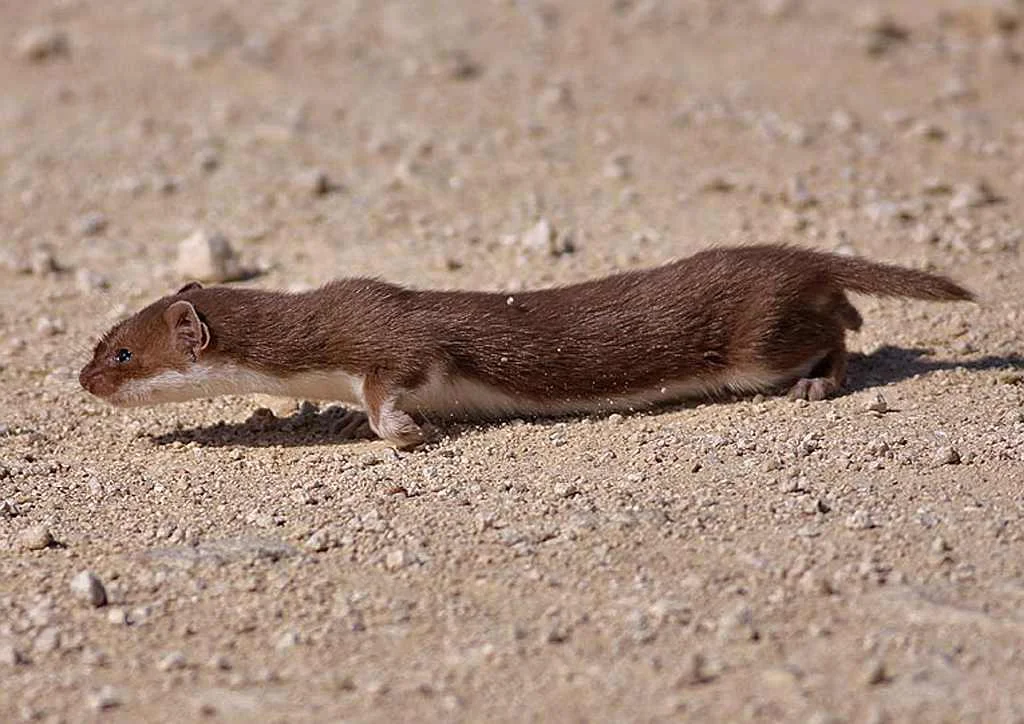
In Cantabrian mythology, a ramidreju (Cantabrian pronunciation: [ramiˈdrehu]) is a legendary creature said to inhabit the rugged mountains, deep forests, and hidden valleys of Cantabria, the mountainous autonomous community in northern Spain along the Bay of Biscay coast. This rare and magical animal, which generally resembles a weasel or marten in its basic form and behavior but possesses numerous supernatural characteristics that distinguish it from ordinary mustelids, is extraordinarily uncommon—according to traditional belief, a ramidreju is born only once every hundred years, and then only from a weasel or marten, suggesting that it represents a rare magical mutation or transformation of these ordinary animals into something far more wondrous and powerful. The ramidreju's physical appearance combines features from multiple animals in ways that mark it as clearly supernatural and chimeric.
These mythological creatures possess very long, elongated bodies resembling snakes or serpents more than typical weasels, giving them an unsettling and fantastical appearance that allows them to move in sinuous, serpentine ways through underground tunnels and narrow crevices that ordinary animals could not navigate. Their fur displays a distinctive slight greenish coloration or tinge rather than the browns, whites, or grays typical of actual weasels and martens, marking them visually as magical creatures and possibly suggesting associations with vegetation, earth, or alchemical transformations (as green was often associated with life force, growth, and magical processes in European folk traditions). The ramidreju's eyes are described as yellow or golden, glowing with an otherworldly light that indicates their supernatural nature and possibly their connection to the gold they so avidly seek.
Most remarkably, despite having a generally weasel-like form, the ramidreju possesses a nose resembling that of a hog or pig—flat, prominent, and designed for rooting—and sports tusks or fangs like those of a boar, which are far larger and more formidable than the teeth of ordinary mustelids. The creature uses these powerful tusks in combination with its hog-like nose to dig extraordinarily deep holes and extensive underground tunnel systems, burrowing through earth and stone with supernatural ease and persistence far exceeding the capabilities of any natural animal, creating elaborate subterranean passageways that can extend to great depths beneath mountains and forests. Ramidrejus are intensely sought-after animals in Cantabrian folklore and legendary treasure-hunting traditions for two primary reasons that made them extraordinarily valuable to anyone fortunate or clever enough to capture one.
First, and most importantly for those seeking cures for illness, the ramidreju's distinctive greenish fur possesses miraculous healing properties—it is said to heal every sickness, disease, ailment, and injury without exception, making even a small piece of ramidreju fur more valuable than gold to the sick and dying and to healers seeking the ultimate panacea. This universal curative power attributed to the creature's pelt made the ramidreju a kind of living philosopher's stone or miraculous healing artifact, and folklore likely included numerous tales of desperate quests to capture a ramidreju to cure dying loved ones or to obtain its magical fur to sell for enormous sums to desperate wealthy invalids. Second, ramidrejus are driven by a powerful, almost irresistible desire or instinct for gold, obsessively seeking out gold deposits, gold objects, and gold treasure wherever they may be hidden, and using their remarkable digging abilities to tunnel toward gold regardless of how deeply it is buried or how difficult the terrain.
This supernatural gold-seeking compulsion means that ramidrejus essentially function as living divining rods or treasure detectors for gold, and Cantabrian folklore suggests that clever prospectors, treasure hunters, or those seeking hidden wealth could potentially track a ramidreju to discover gold deposits or could capture a ramidreju and somehow compel or induce it to lead them to gold, exploiting the creature's obsessive nature for human profit. The ramidreju legend likely combines several folkloric and cultural elements: genuine observations of weasels', martens', and badgers' impressive digging abilities and their habit of creating extensive burrow systems, which in folk imagination could be exaggerated into supernatural tunnel-boring powers; the European folkloric tradition of magical animals whose body parts possess healing properties, seen in countless legends of unicorns, phoenixes, salamanders, and other creatures whose horns, feathers, blood, or fur could cure diseases; the association in folklore between certain animals and treasure or precious metals (seen in stories of treasure-guarding dragons, gold-hoarding dwarves, and various creatures that either guard or seek precious materials); and possibly garbled accounts of pigs being used to hunt for truffles (expensive underground fungi), with the pig-like snout and digging behavior transferred onto a weasel-like body to create this composite creature. The ramidreju also reflects specifically Cantabrian cultural and economic contexts: Cantabria's mountainous, heavily forested landscape where such a creature could plausibly hide; the region's historical mining activities (particularly for various minerals and metals) that would make gold-seeking creatures relevant to local economic concerns; and the area's isolation and rugged terrain that preserved distinctive local folklore traditions that might not survive in more cosmopolitan or accessible regions.
The creature represents a fantasy solution to two of humanity's most desperate desires—the cure for all diseases and the discovery of hidden wealth—embodied in a single rare, magical animal that combines the features of familiar local wildlife with fantastical elements that mark it as belonging to the realm of the marvelous and supernatural rather than to ordinary natural history.