Pishtaco
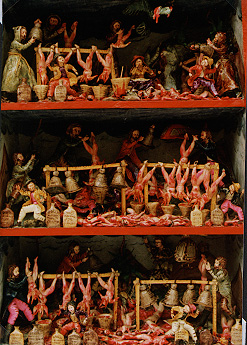
Commonly identified as a "white bogeyman" in Peruvian and Bolivian folklore, the Pishtaco is a macabre predatory being believed to steal the human fat of indigenous victims. Known by various regional names such as the ñaqaq (Quechua) or kharisiri (Aymara), this figure represents a deeply rooted cultural anxiety regarding the exploitation and physical violation of Andean people by outsiders. Unlike many traditional monsters, the Pishtaco is almost exclusively depicted as a light-skinned or "gringo" male, often perceived as a powerful, professional figure such as a priest, plantation owner, or government official.
The genesis of the legend is frequently traced back to the era of the Spanish conquest, where indigenous populations observed Conquistadors using human fat to treat their battlefield injuries. Over the centuries, the Pishtaco’s purpose has evolved alongside the shifting power structures of the Andes; while colonial-era tales focused on priests seeking fat to cast church bells, 20th-century accounts described the figure as an industrial marauder who used human lubricant for machinery, sugar mills, and firearms. The method of attack is notoriously diverse, ranging from brutal beheadings and disembowelments with a long knife to the use of enchanted powders that allow the creature to extract fat from a stunned victim without leaving a visible mark.