Manananggal
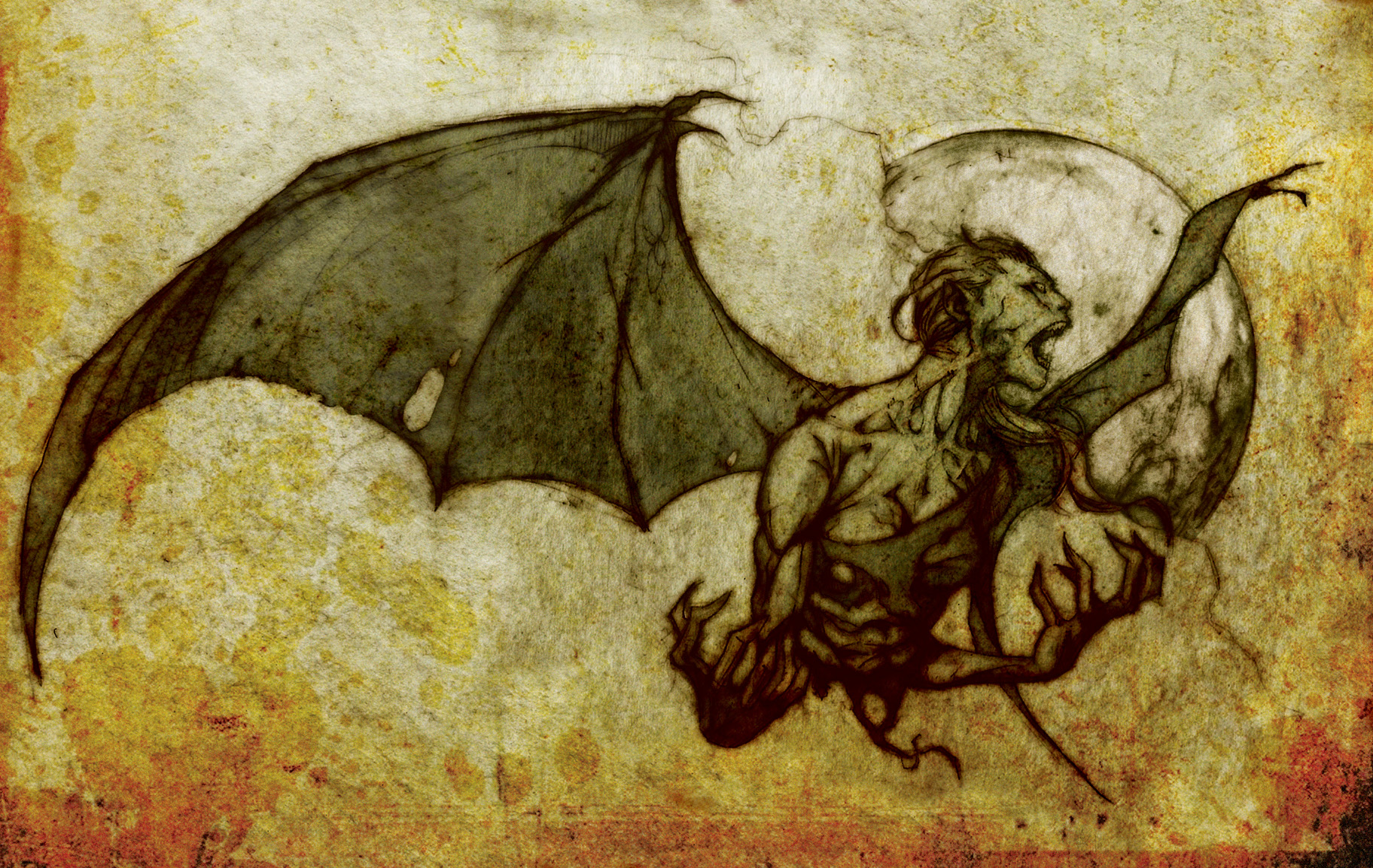
Characterized by its ability to sever its upper body from its lower limbs, the Manananggal is a predatory, vampire-like creature of Philippine folklore. This self-segmenting entity, whose name translates literally to "remover" or "separator" (from the Tagalog tanggál), is most commonly portrayed as a grotesque female figure that grows massive, bat-like wings to hunt under the cover of darkness. As a primary member of the Aswang category of spirits, it is notorious for leaving its lower torso stationary while the winged upper half, with entrails often trailing beneath, takes flight to seek out victims.
At the core of the Manananggal’s legend is its specialized and lethal diet, which primarily targets sleeping pregnant women. Utilizing an elongated, proboscis-like tongue, the creature is said to silently extract fetuses or draw blood from its victims while hovering above their dwellings. Beyond expectant mothers, the spirit is also a figure of dread for newlyweds and lovers, often representing a supernatural threat to the sanctity of the domestic sphere.
Its presence is most heavily documented in the Visayan regions of the Philippines, particularly in provinces like Capiz, Iloilo, and Bohol, where it persists as a potent symbol of nocturnal terror.
The creature’s unique anatomy provides its most significant point of vulnerability. Folklore dictates that the only way to destroy a Manananggal is to find the abandoned lower half during its hunt and cover the exposed flesh with salt, ash, or garlic. These substances prevent the upper torso from reuniting with its base; if the creature is unable to recombine before the first rays of the sun hit its flesh, it is instantly killed.
In addition to these traditional wards, the spirit is said to avoid daggers, vinegar, and the tail of a stingray, which can be fashioned into a powerful whip for defense.