Inkanyamba
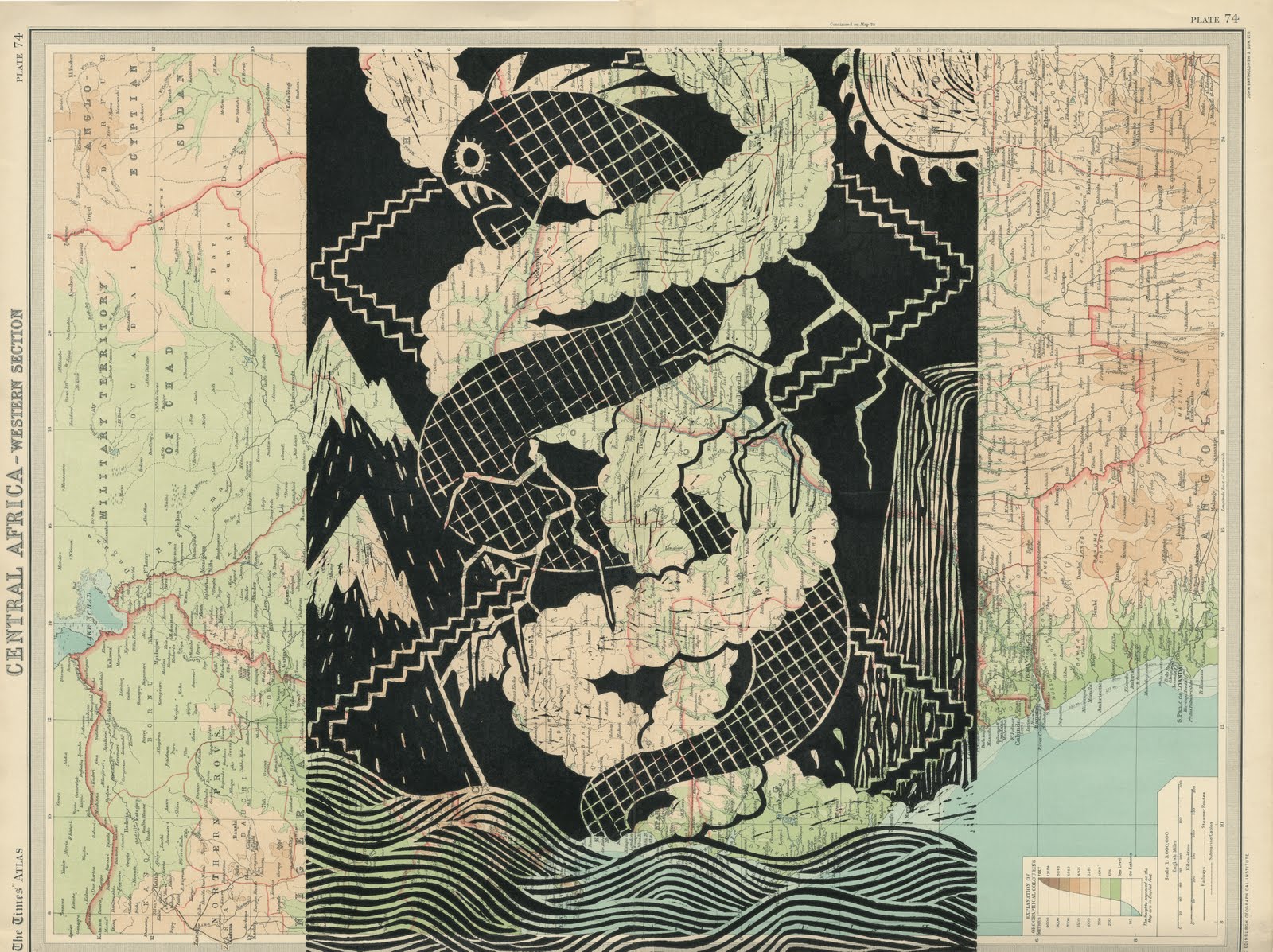
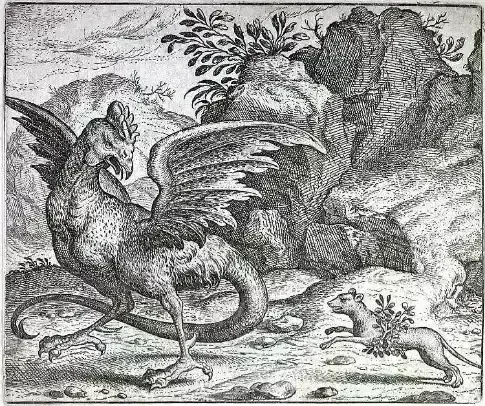
The Inkanyamba was a formidable and fearsome legendary creature of Zulu mythology, traditionally said to dwell within the churning waters at the base of Howick Falls in the northern forests of KwaZulu-Natal, South Africa. As a central figure in the folklore of the Pietermaritzburg region, it was most famously depicted as a gargantuan serpent possessed of an equine head, standing as an imposing and "very tall" presence within its aquatic domain. The origin of this monstrous entity is deeply intertwined with the meteorological patterns of the region; while the beast remains dormant for much of the year, it is believed to reach its peak activity during the summer months—a period when its volatile temperament is said to manifest as the violent seasonal storms that sweep across the South African highlands.
According to local tradition, the Inkanyamba is not merely a physical predator but a supernatural force capable of exerting lethal influence over those who intrude upon its sanctuary. The Zulu people maintained a profound taboo regarding the creature, believing that a direct encounter—specifically making eye contact with the serpent—resulted in the immediate and certain forfeiture of one's life. This association between the creature’s gaze and mortality underscores its status as a high-stakes guardian of the falls, demanding absolute reverence from the living.
Furthermore, the creature's purported ability to control the elements places it within the broader "weather-myth" tradition, where the movements of a Great Serpent explain the unpredictable and destructive nature of the summer rains. Whether viewed as a literal resident of the deep or a personification of the storm, the Inkanyamba persists as a primary example of the "water-dwelling dragon" motif, representing the dangerous intersection of ancestral spirits and the untamed power of the natural world.