El Silbón
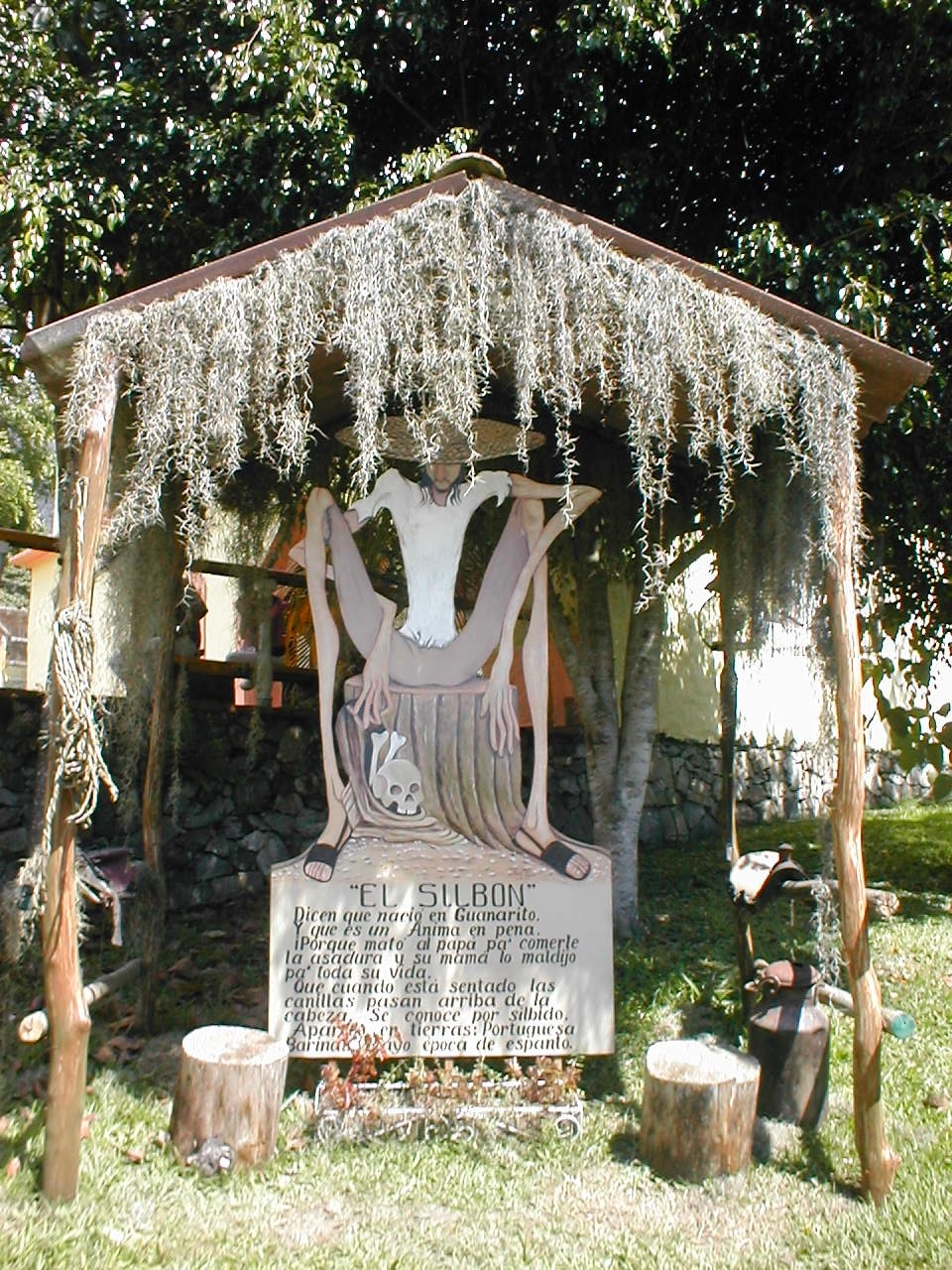
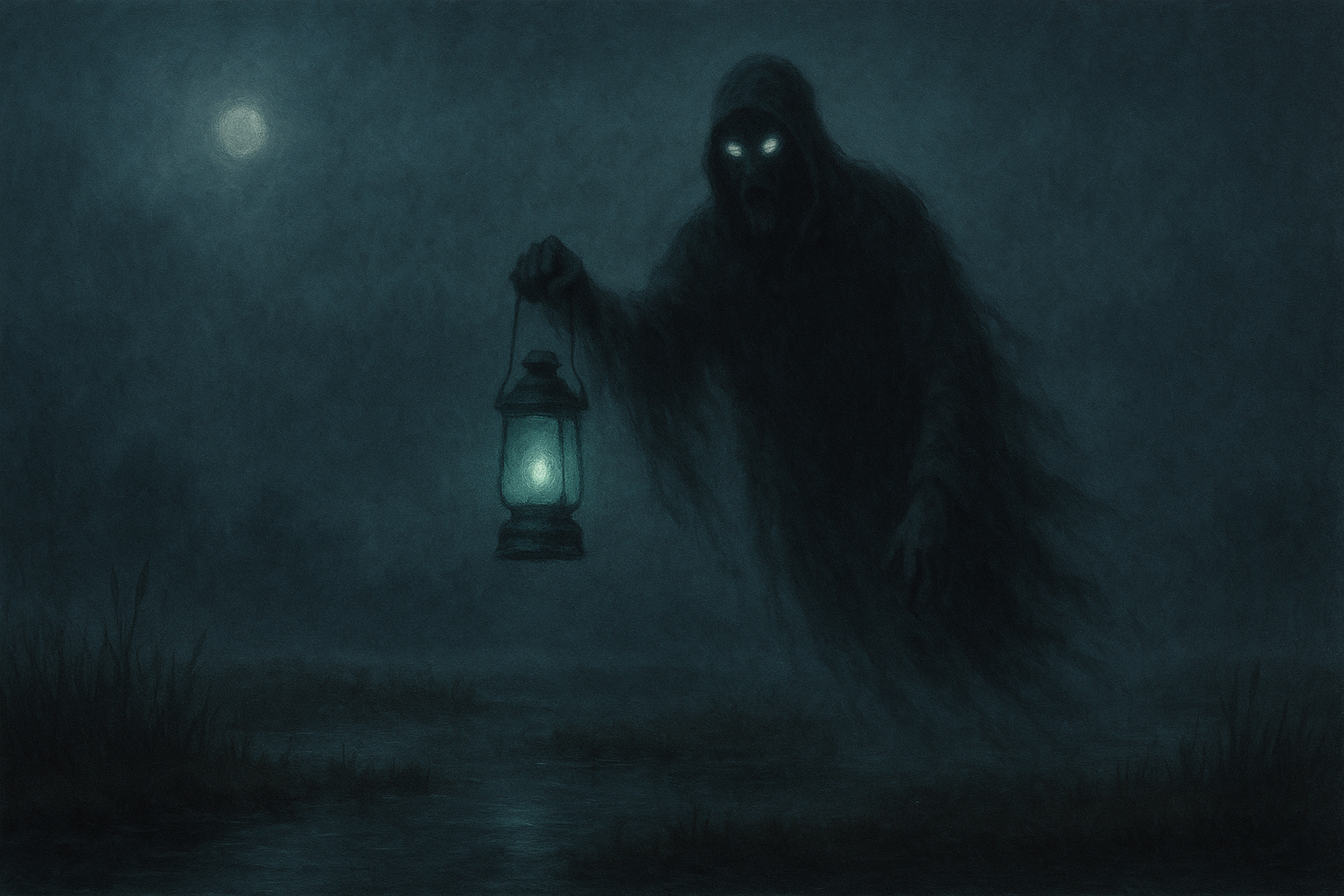
El Silbón, commonly known as "The Whistler," is a foundational spectral figure of Venezuelan and Colombian folklore, primarily associated with the vast tropical plains of Los Llanos. Traditionally described as a "lost soul" or a malevolent omen, he is most famously depicted as an emaciated, unnaturally tall man—sometimes reaching heights of six meters—who wanders the savannah carrying a tattered burlap sack filled with the bleached bones of his father. The legend, which gained prominence in the mid-19th century, serves as a grim cautionary tale regarding the sacredness of family and the consequences of moral depravity.
The origin of this entity is rooted in a gruesome narrative of patricide involving a spoiled youth who murdered his father after the man failed to successfully hunt a deer for the boy's dinner. Upon discovering that the meat her son had brought home was actually her husband's organs, the mother cursed the boy for eternity. His grandfather subsequently carried out a ritualistic punishment, lashing the youth’s back, rubbing the wounds with chili peppers and alcohol, and releasing him into the wild with a sack of his father's remains while being pursued by rabid dogs.
This curse is said to be the source of the spirit’s enduring fear of dogs, whips, and chili—the only items capable of warding off an attack.
A primary characteristic of the spirit is his deceptive, haunting whistle, which follows a specific musical scale. In a unique inversion of predatory logic, if the whistling sounds clear and close, the spirit is actually far away; however, if the sound is faint and distant, El Silbón is standing in the immediate vicinity of the listener. He is a notorious predator of drunkards and womanizers, allegedly sucking the alcohol from the navels of the intoxicated and dismembering the unfaithful to add their bones to his macabre collection.
He is also known for a terrifying domestic ritual where he sits outside a home at night to count the bones in his sack; if the inhabitants hear the clattering, they remain safe, but if the ritual goes unnoticed, a member of the household will perish before dawn.