Dulla Bhatti
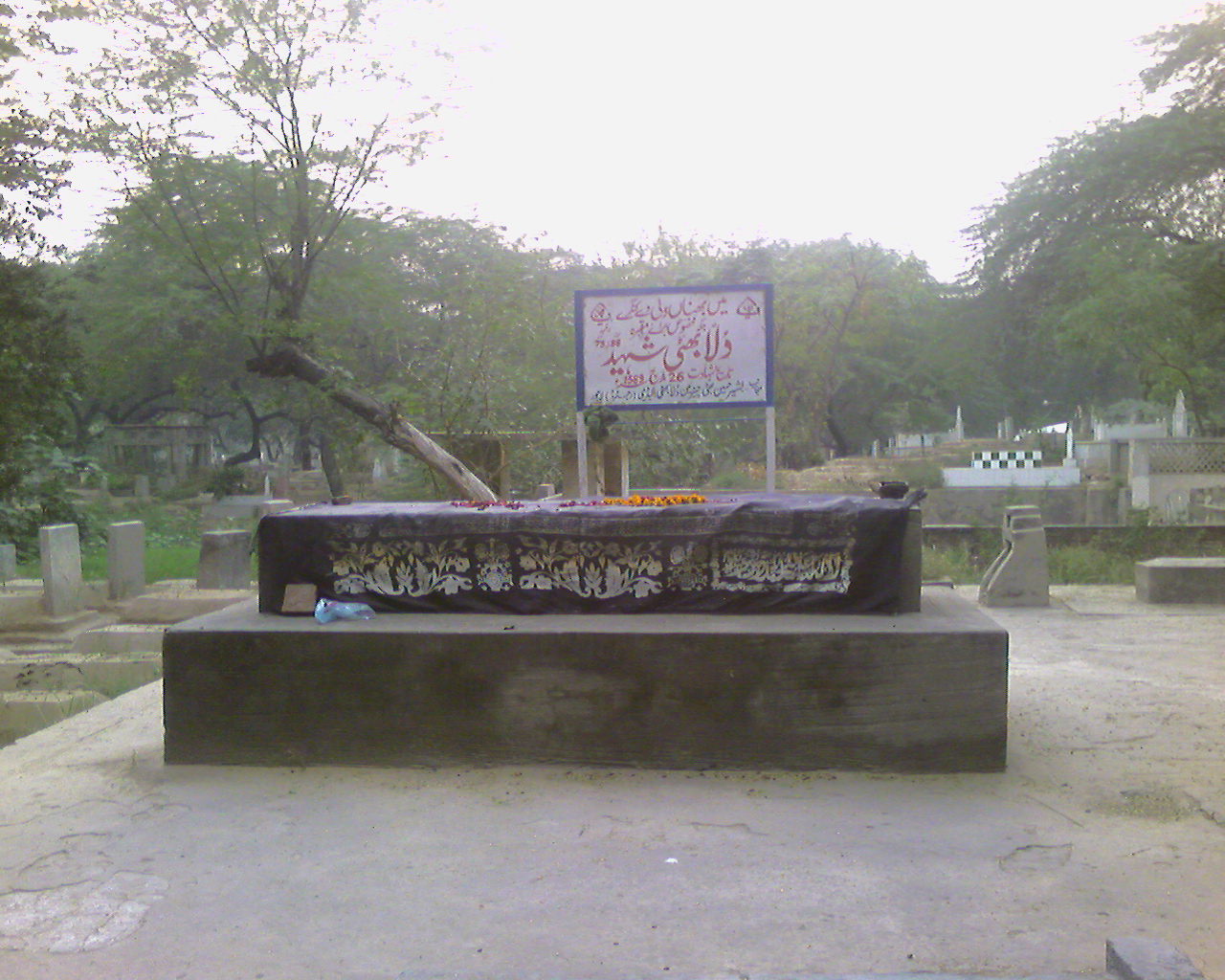
Rai Abdullah Khan Bhatti (July 23, 1547 – March 26, 1599), popularly known by his moniker Dulla or Dullah Bhatti, was a Punjabi folk hero who reportedly led a revolt against Mughal imperial authority during the reign of Emperor Akbar. Despite his enormous significance in Punjabi folklore and popular culture, Dulla Bhatti is entirely absent from contemporary historical records of the Mughal period, and the only evidence for his existence and exploits comes from Punjabi folk songs, ballads, and oral traditions that have been transmitted across generations. This absence from official historical documentation while maintaining a powerful presence in popular memory makes him a fascinating example of how folk traditions preserve narratives of resistance that official histories overlooked or deliberately excluded.
The deeds attributed to Dulla Bhatti in folklore conform to the classic pattern of social banditry—a form of peasant resistance in which outlaws rob from wealthy elites and imperial officials while protecting common people, redistributing resources to the poor, and championing justice against oppressive authority. Folk songs portray him as a defender of the vulnerable, particularly young women whom he rescued from forced marriages or abduction, providing them with dowries and marrying them to suitable partners, thus functioning as a protector of social morality and communal values against predatory elites. These narratives established him as a Robin Hood-like figure whose criminality from the state's perspective represented heroic justice from the popular perspective, embodying peasant aspirations for protection, dignity, and resistance against exploitation.
According to historian Ishwar Dayal Gaur, although Dulla Bhatti was "the trendsetter in peasant insurgency in medieval Punjab" whose legend inspired subsequent resistance movements and whose memory sustained popular consciousness of the possibility of defying imperial authority, he paradoxically remains "on the periphery of Punjab's historiography." This marginal position in formal historical scholarship reflects the broader challenge of documenting popular resistance movements that left few written records, particularly when those movements occurred in rural areas among largely illiterate populations whose stories were preserved through oral rather than textual transmission. The contrast between Dulla Bhatti's peripheral status in academic historiography and his central position in Punjabi folk culture—where he is celebrated annually during the Lohri festival through songs commemorating his generosity and bravery—illustrates how official and popular historical memories can diverge dramatically, with communities preserving and venerating figures whom formal history largely ignores.