Dilmun
Dilmun is a legendary place from Sar, Bahrain, dated to ~3000 BC (Prehistoric era). It connects to 5 other myths and legends in the Mythosjourney atlas.
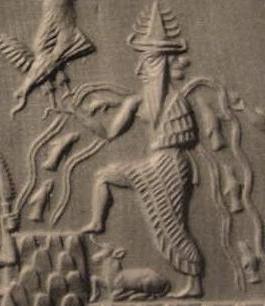
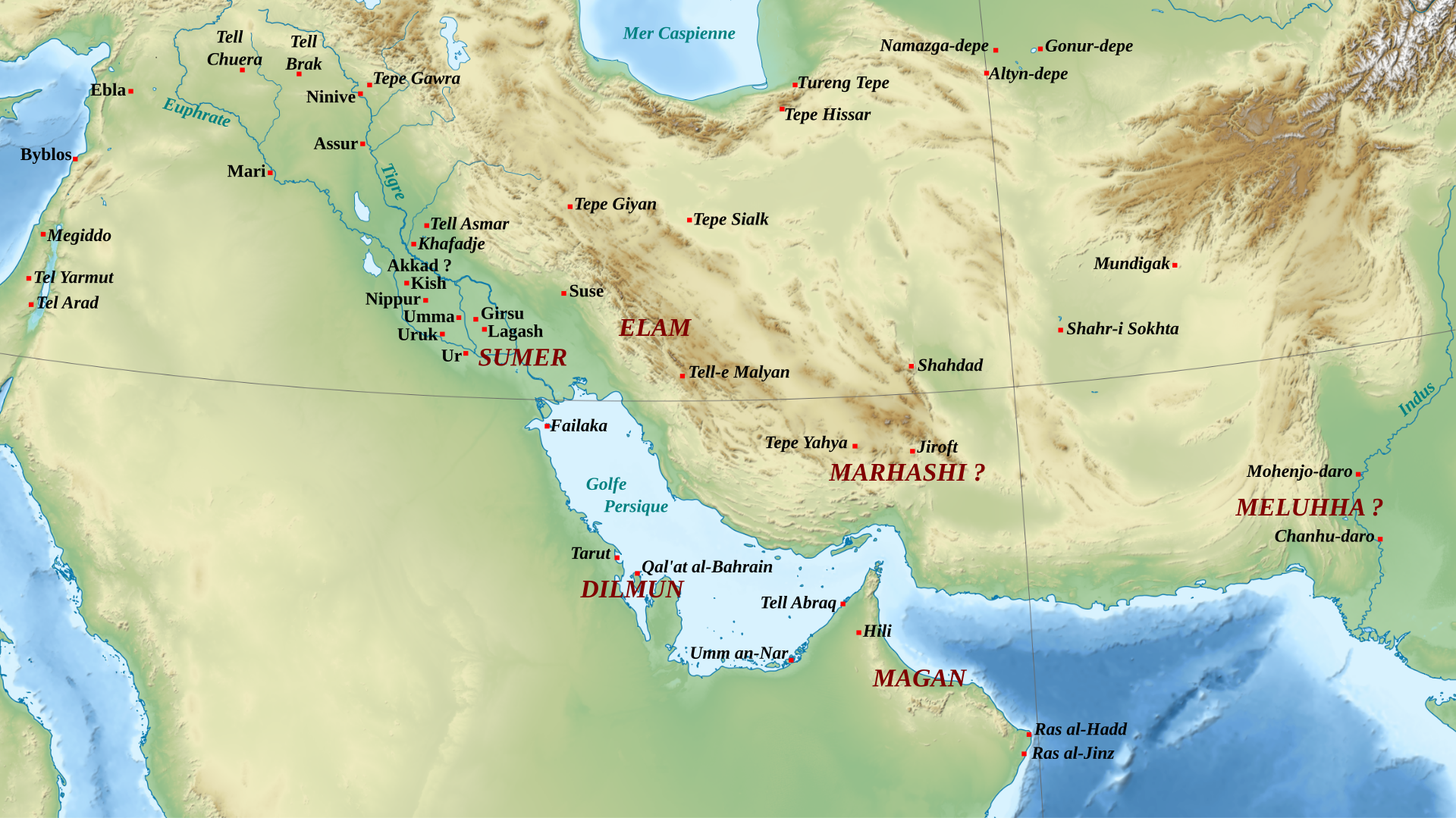
Dilmun (Sumerian: 𒉌𒌇𒆠, dilmunki) was an ancient East Semitic-speaking civilization located in Eastern Arabia that flourished as a vital trade hub between Mesopotamia and the Indus Valley Civilization from the 3rd millennium BC. Encompassing the modern-day regions of Bahrain, Kuwait, and eastern Saudi Arabia, this maritime power controlled the strategic trade routes of the Persian Gulf, serving as a primary source of copper and a central entrepôt for luxury goods. Dilmun occupies a singular place in history not only for its commercial prowess but for its profound influence on Sumerian mythology, where it was revered as a sacred, paradisiacal "Land of the Living."In Sumerian cosmology, Dilmun was famously depicted in the myth of Enki and Ninhursag as a primordial paradise existing in a state of perfect harmony.
This "pure" and "holy" land was described as a place where predators did not hunt, pain and disease were unknown, and inhabitants were spared the ravages of old age. Scholars have long noted that this Sumerian vision of a garden paradise likely served as a significant cultural precursor to the Garden of Eden narrative found in the Book of Genesis. The landscape of Dilmun was said to be blessed by Enki, the god of water and wisdom, who created a network of canals and rivers to ensure total abundance.Often referred to as "the place where the sun rises," Dilmun served as the setting for the climax of the Eridu Genesis.
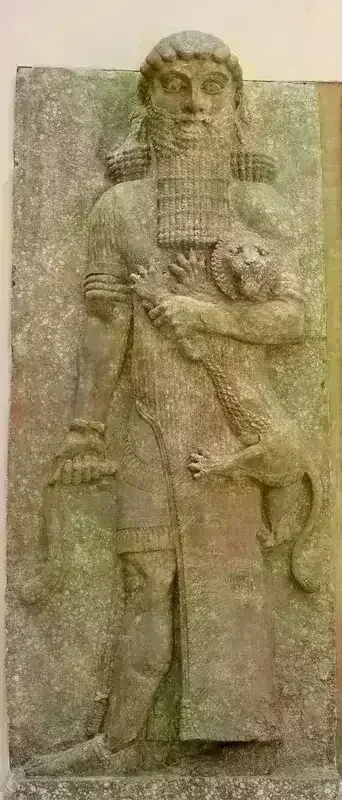
It was to this "faraway, half-mythical place" that the gods transported Utnapishtim (Ziusudra), the deified hero of the Great Flood, to live in eternal immortality. The civilization’s geography deeply influenced these spiritual beliefs; the name "Bahrain" literally translates to "the twin waters" in Arabic, reflecting the unique geological phenomenon where the fresh water of the Arabian aquifer meets and mingles with the salt waters of the Persian Gulf—a meeting of waters that the Babylonians personified as the union of Abzu and Tiamat.The cultural reach of Dilmun extended into the Epic of Gilgamesh, where the titular king famously sought to reach the land by passing through the twin peaks of Mount Mashu. In earlier traditions like Enmerkar and the Lord of Aratta, Dilmun is used as a chronological marker, representing an era of antiquity so deep that it predates the settlement of the great ziggurats of Uruk and Eridu.
Beyond its role as a home for the gods, Dilmun was the residence of Ninlil, the Sumerian goddess of air, further cementing its status as a pivotal spiritual axis for the civilizations of the ancient Near East.