Buluggin ibn Ziri
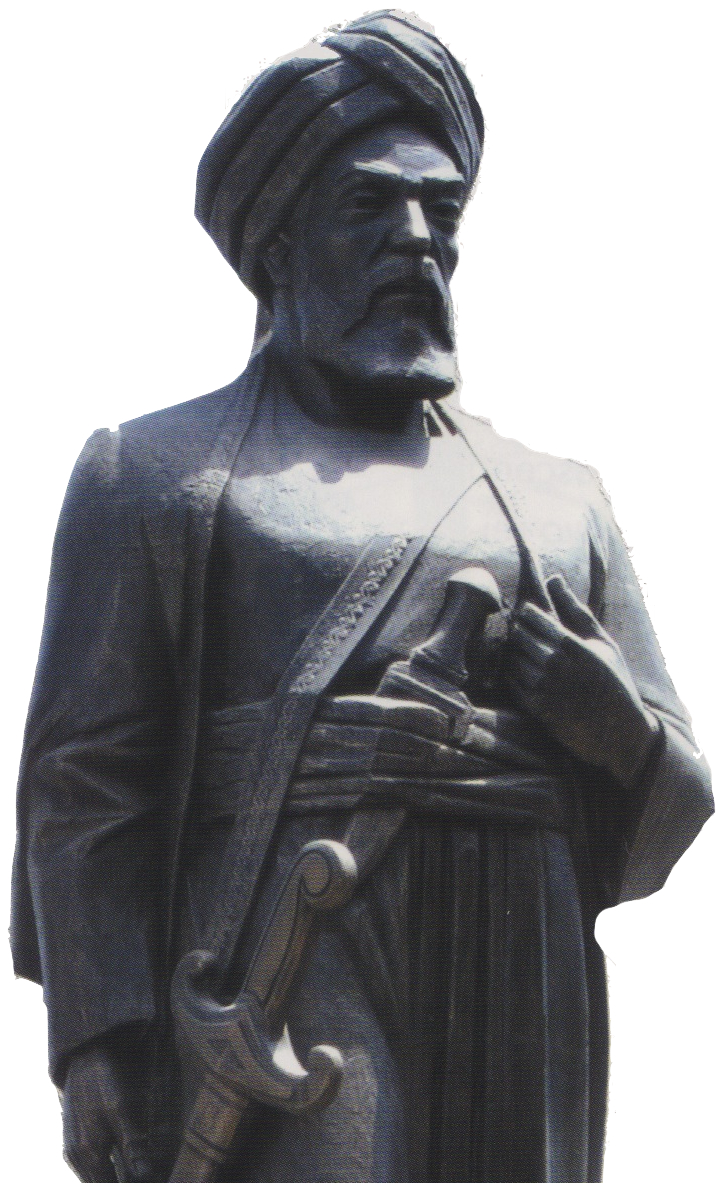
Buluggin ibn Ziri (often transliterated as Bologhine; full name: ʾAbū al Futūḥ Sayf ad Dawlah Bulukīn ibn Zīrī ibn Manād aṣ Ṣanhājī; died 25 May 984) was the founding leader of the Zirid dynasty, a Sanhaja Berber house that served as viceroys of Ifriqiya under the Fatimid Caliphate. He ruled from 972 to 984, establishing a dynasty that would continue governing the region long after his death. The Algiers suburb of Bologhine bears his name today.
Born in the Titteri region of present-day Algeria, Buluggin emerged as a significant figure while his father, Ziri ibn Menad, served as emir of the central Maghreb. In 960, Buluggin founded the city of Algiers on the ruins of the ancient Roman settlement of Icosium, and also established Médéa and Miliana. He undertook the reconstruction of villages destroyed during various uprisings, demonstrating his administrative capabilities alongside his military prowess.
When his father fell in battle against Kharijite Berber tribes in 971, the Fatimid Caliph Al-Mu'izz li-Din Allah appointed Buluggin as Emir of the Maghreb on Wednesday, 2 October 972. Beyond inheriting his father's territories, Buluggin received control of the Zab and M'Sila regions, previously held by the defector Jaʿfar ibn ʿAlī. The extensive honors granted to him sparked jealousy among the Kutama Berbers.
Meanwhile, Al-Mu'izz assigned governance of Sicily to the Kalbids and Tripoli to Abd Allah ibn Yakhlof Al Kutami. Buluggin continued his father's campaigns against the Zenata Berbers. When the Maghrawa sought assistance from the Umayyad Caliphate of Córdoba to reclaim their lands, Buluggin responded by bringing nearly the entire Maghreb under Fatimid authority.
He defeated the Maghrawa, the Hawwara (a branch of the Baranis), the Nefzawa (a Zenata branch), and the Mazata. Prisoners from these campaigns were resettled in large numbers at the fortified city of Ashir. When the Fatimids transferred their court from Mahdia to their new capital at Cairo, Buluggin was elevated to viceroy of Ifriqiya with Kairouan as his capital.
The Fatimids took their treasury and fleet to Egypt, leaving the Zirid government's first priority as consolidating its rule. The loss of naval power meant relinquishing control over the Kalbids in Sicily. Nevertheless, Buluggin expanded westward, capturing Fez, Sijilmasa, and much of Morocco reaching the Atlantic coast.
During a Moroccan campaign, he fought against the Bargawata. The Caliphate of Córdoba, however, retained the strategic fortresses of Ceuta and Tangier. Buluggin remained a Fatimid vassal, obligated to pay tribute and surrounded by advisors who supported him while simultaneously monitoring his actions on behalf of the caliphate.
The Caliph bestowed upon Buluggin the honorific titles of Abu al-Futuh, meaning "Father of Victories," and Sayf ad-Dawla, meaning "Sword of Empire." In 977, the new Fatimid Caliph Abu Mansur Nizar al-Aziz Billah, successor to Al-Muizz, granted Buluggin additional territories including Tripoli, Ajdabiya, and Sirte. He conquered Fez and Sijilmasa but halted before Ceuta, deeming the fortress impregnable, especially with Zenata reinforcements arriving by sea from al-Andalus. In 979, he led an expedition against the sovereign of the Bargawata, who had declared himself a prophet, bringing back such an enormous number of Moroccan captives that when his lieutenant paraded them through the streets, the people of Ifriqiya were shocked, having never witnessed such quantities of enslaved people.
Little is recorded about Buluggin's personal life, though chroniclers note he maintained a large harem. Before assuming rule of the Maghreb, he reportedly had four hundred concubines, and on one occasion received news of the simultaneous birth of seventeen children. Buluggin died on Sunday, 25 May 984, and his son Al-Mansur inherited all his titles and territories, continuing the Zirid dynasty his father had established.